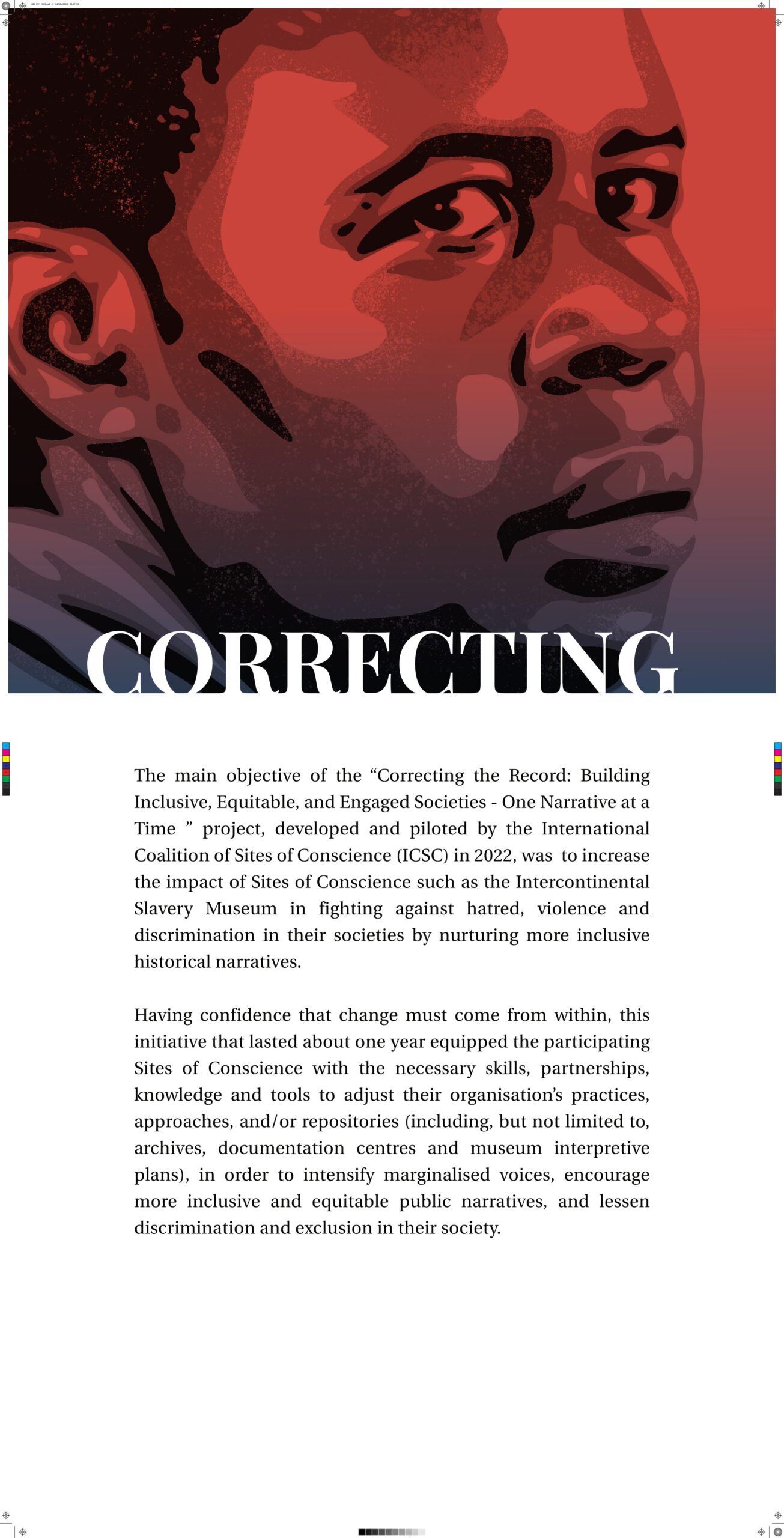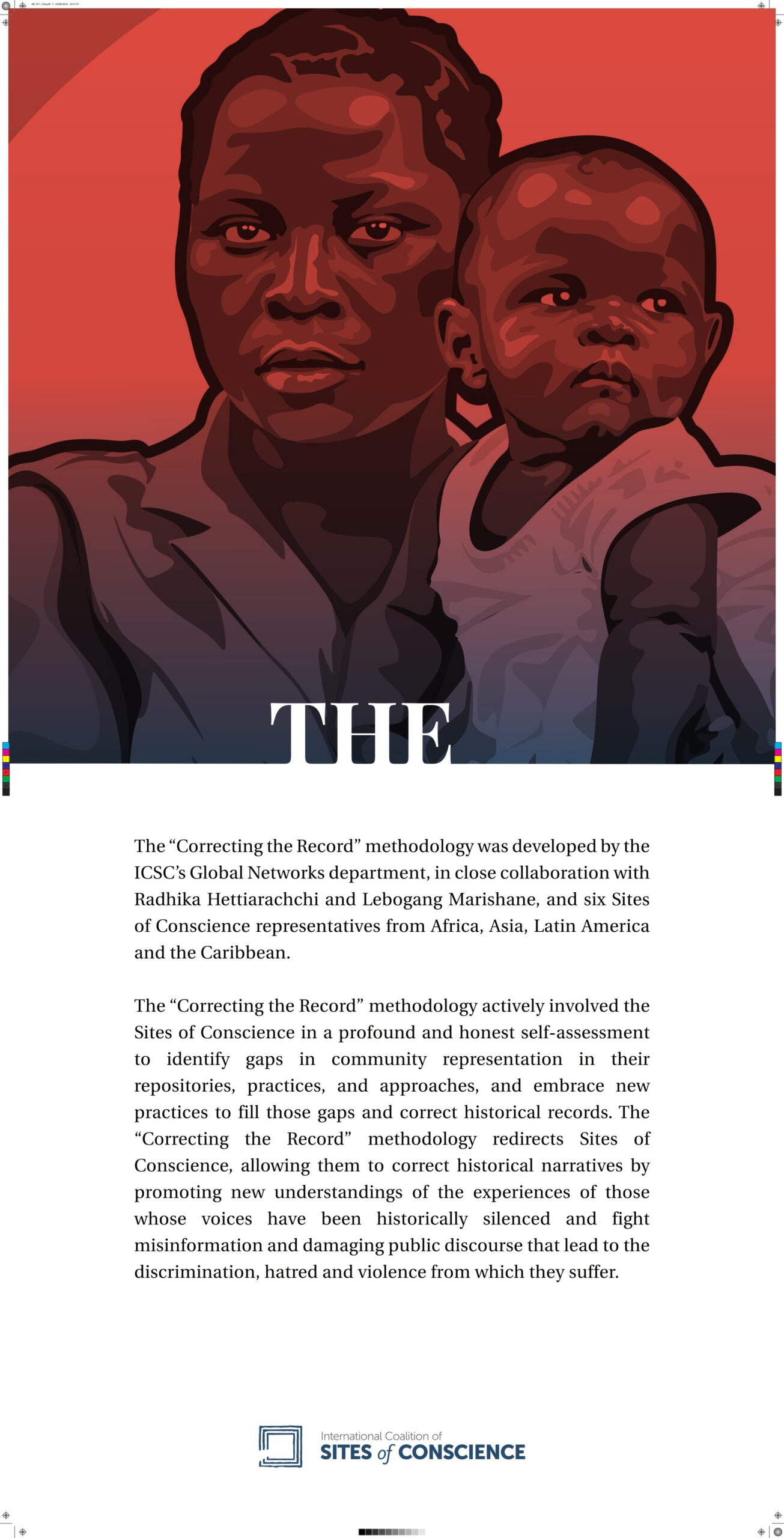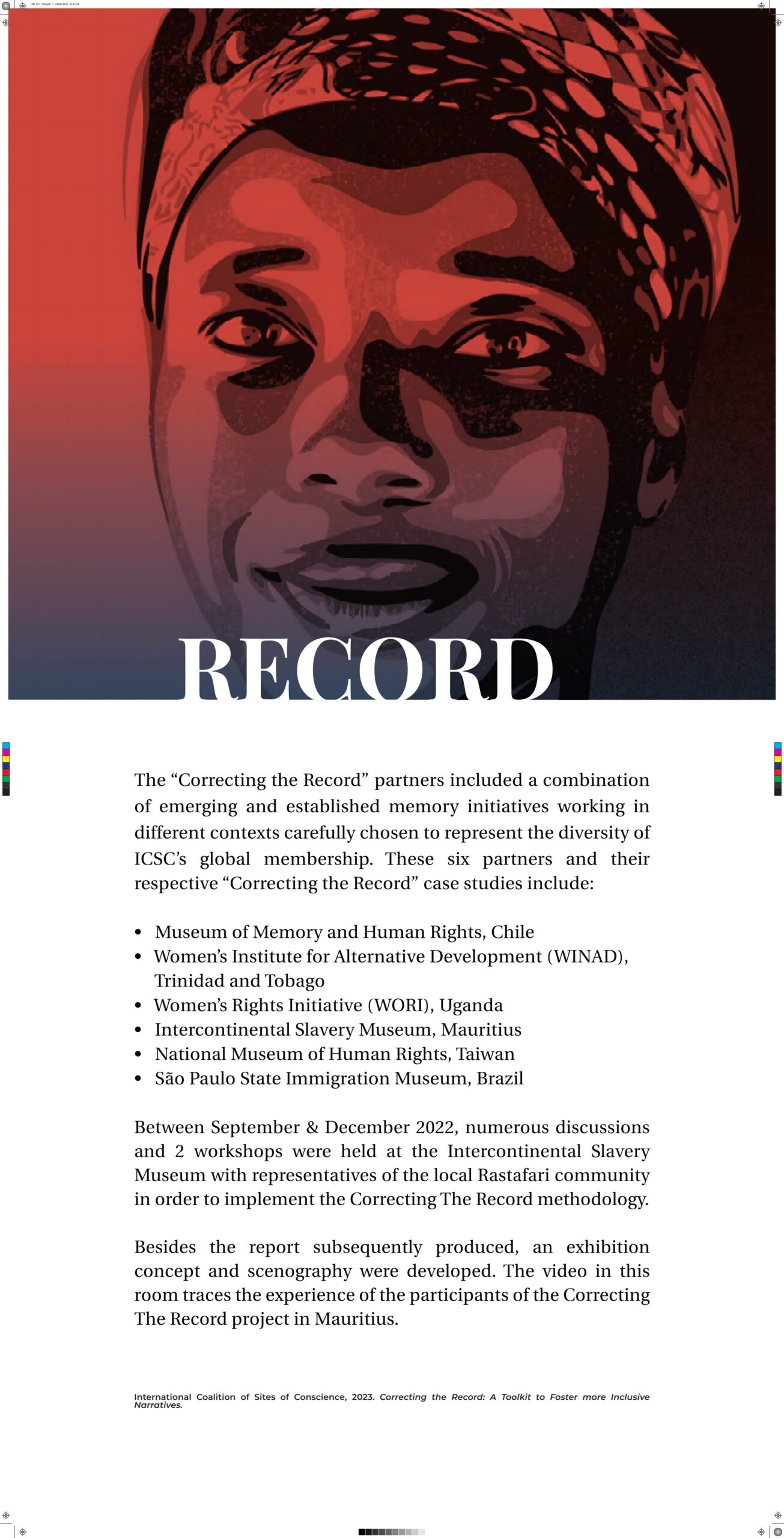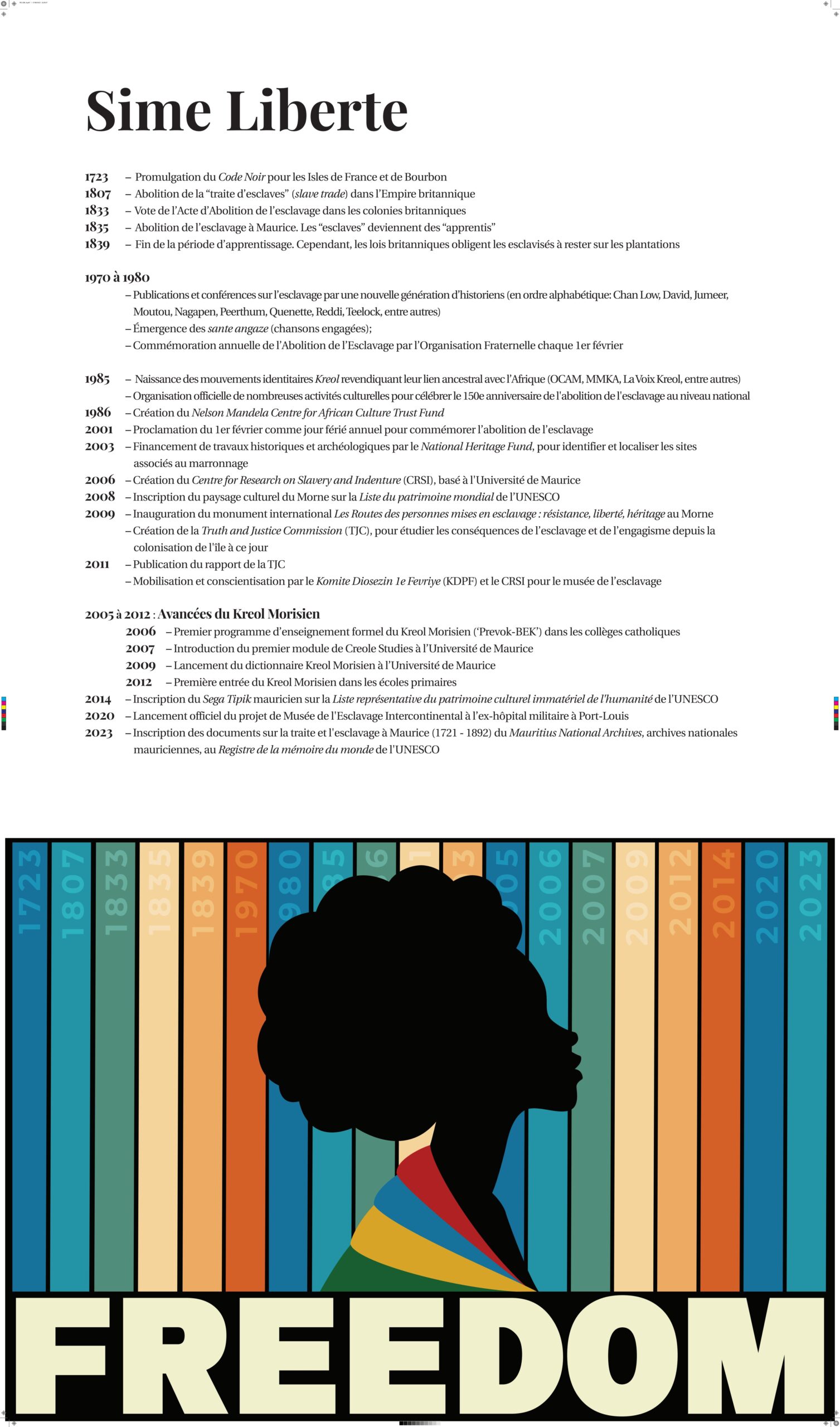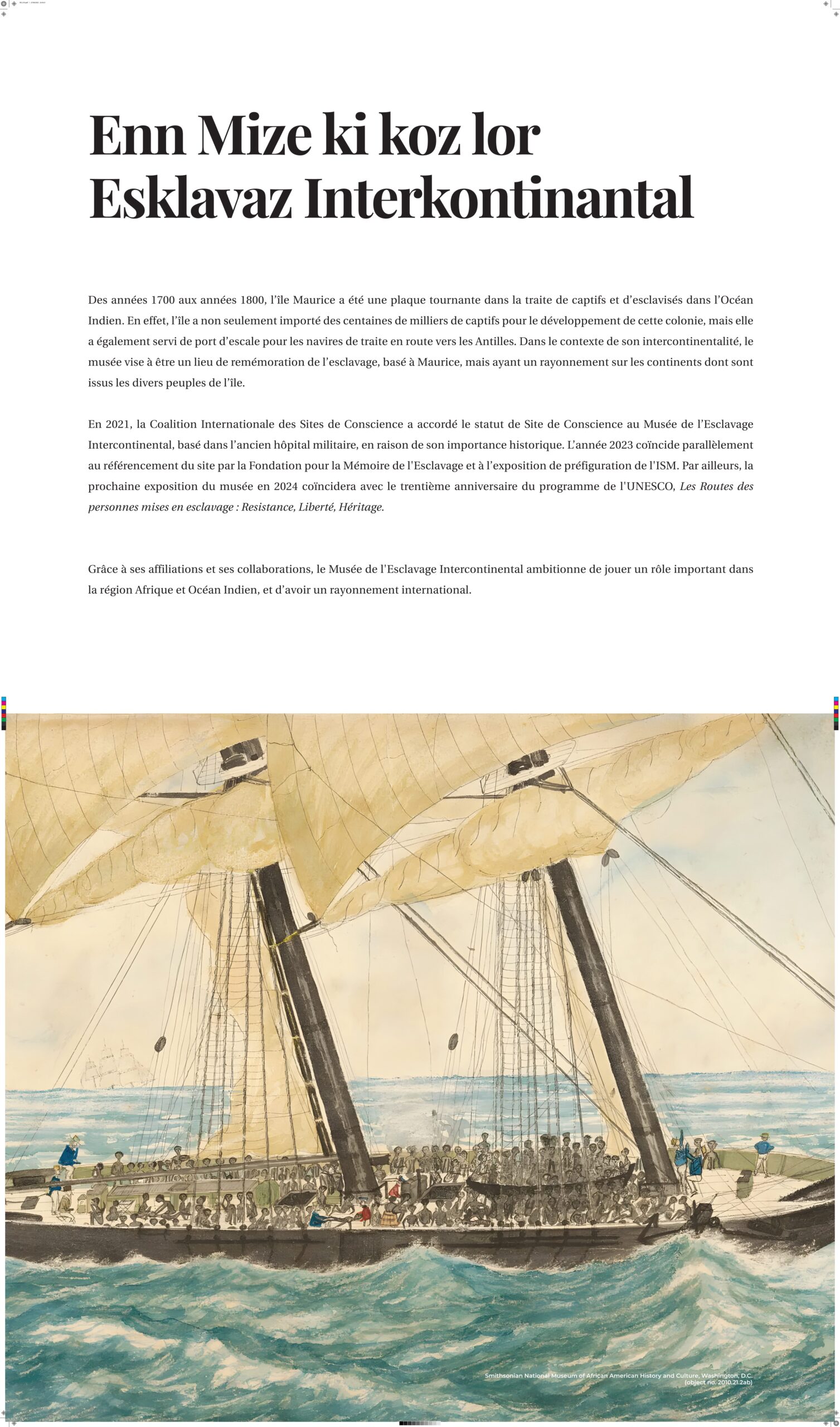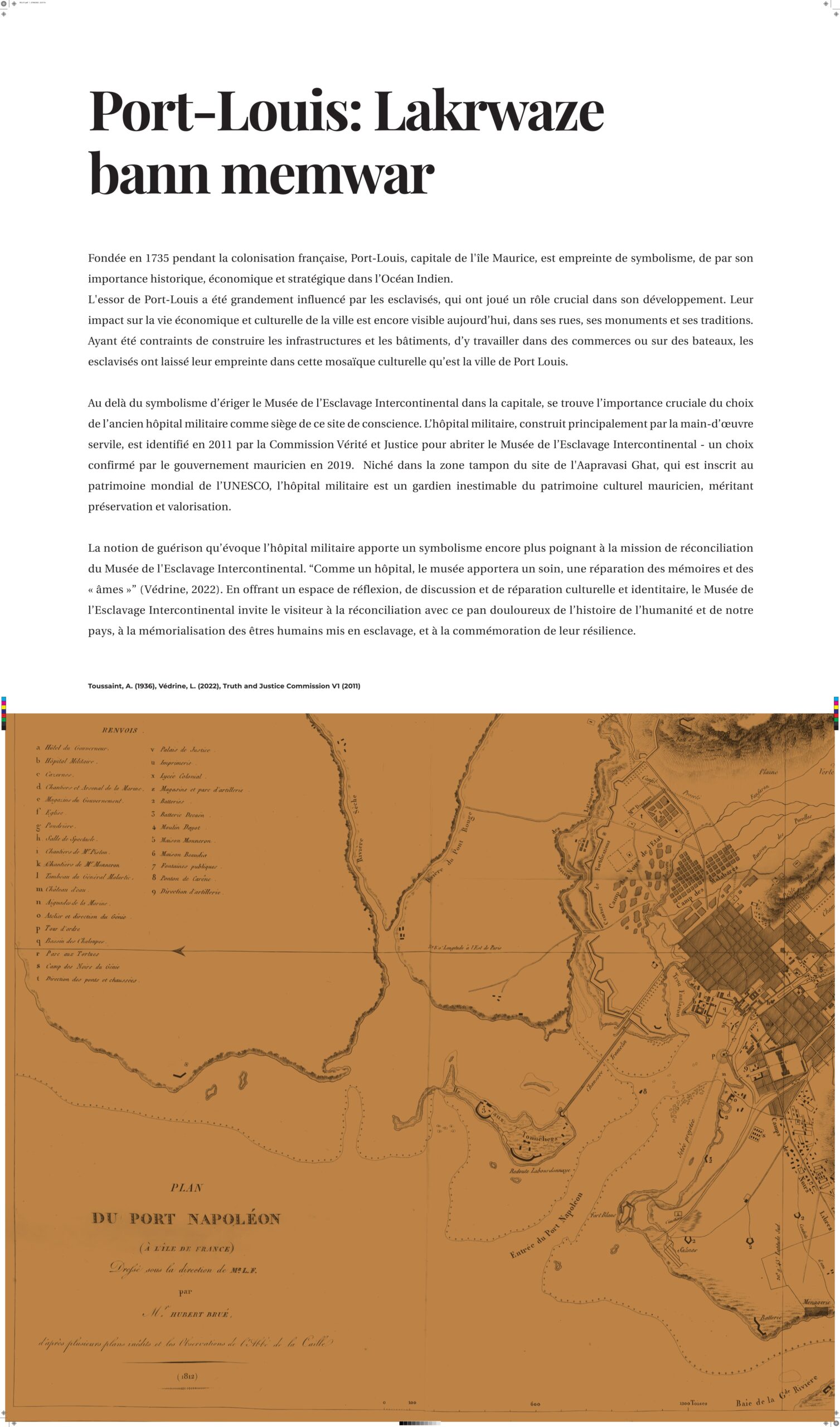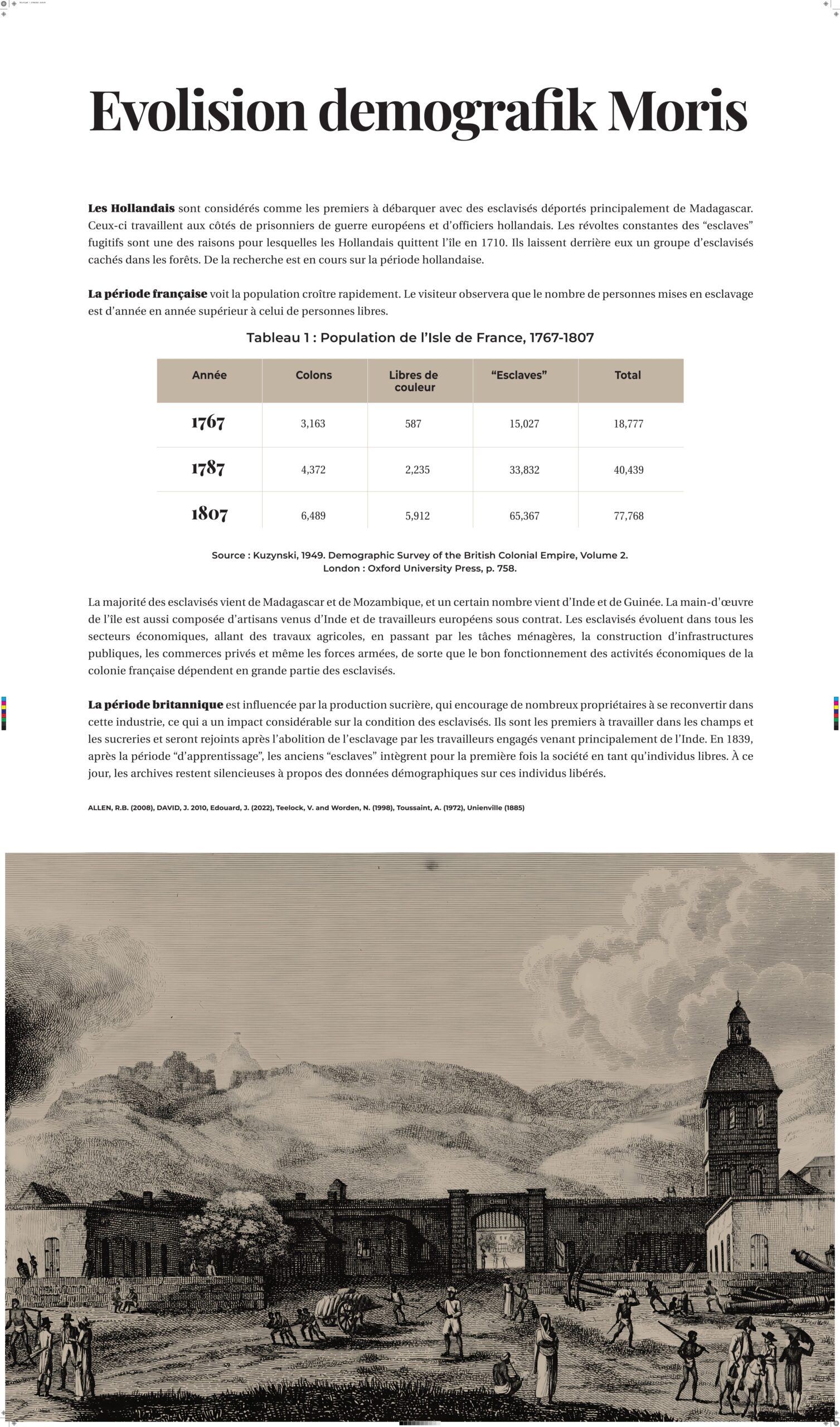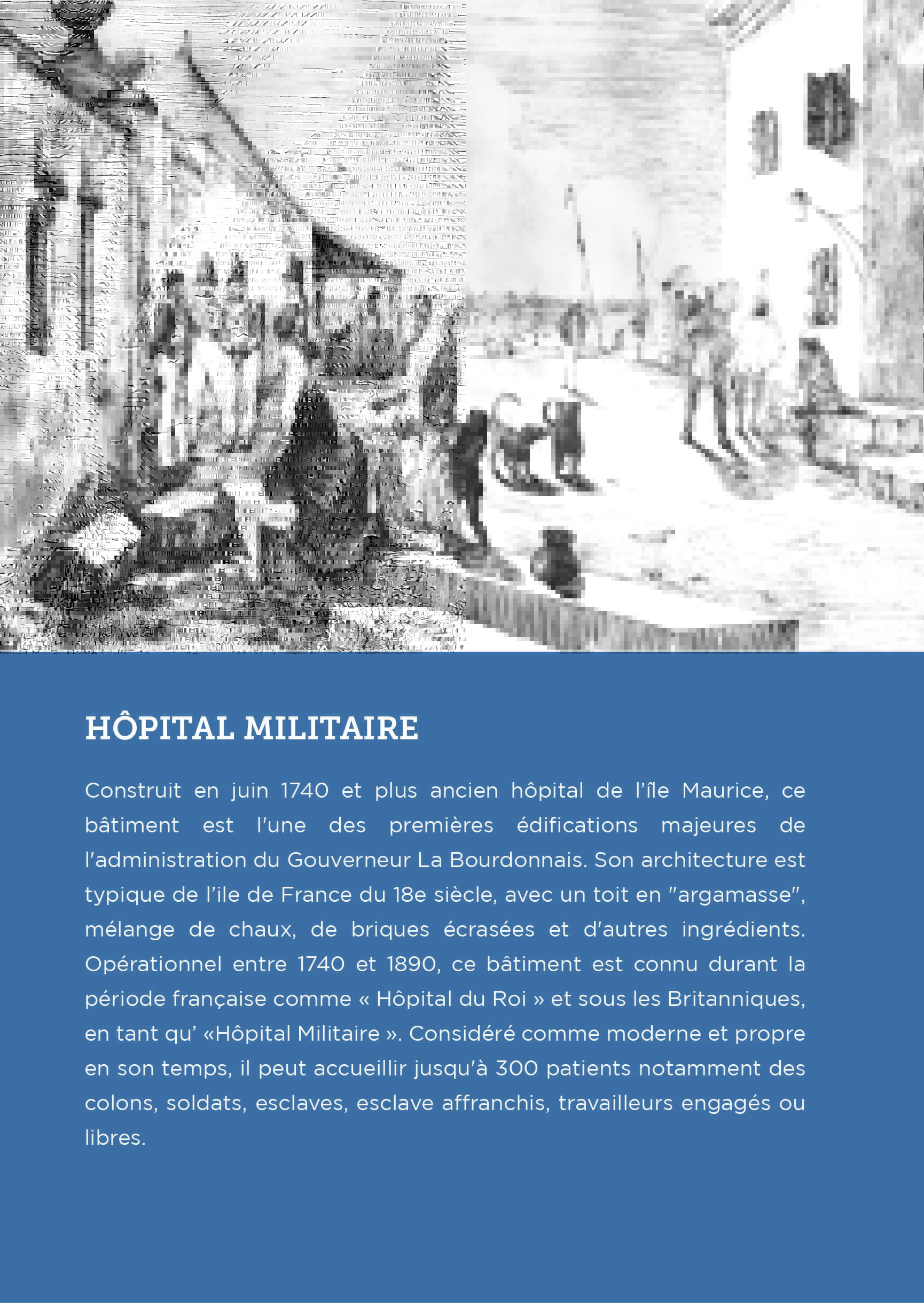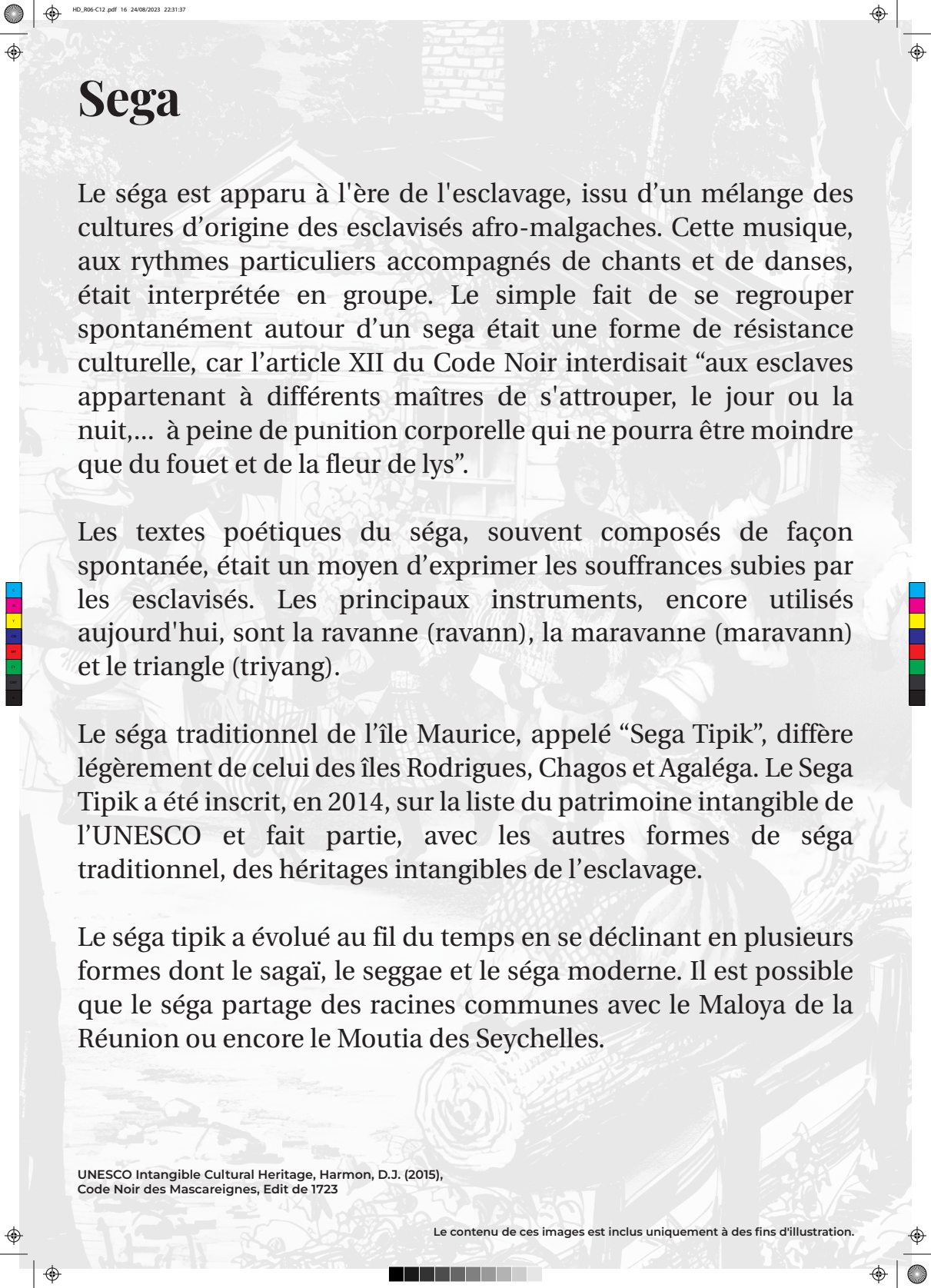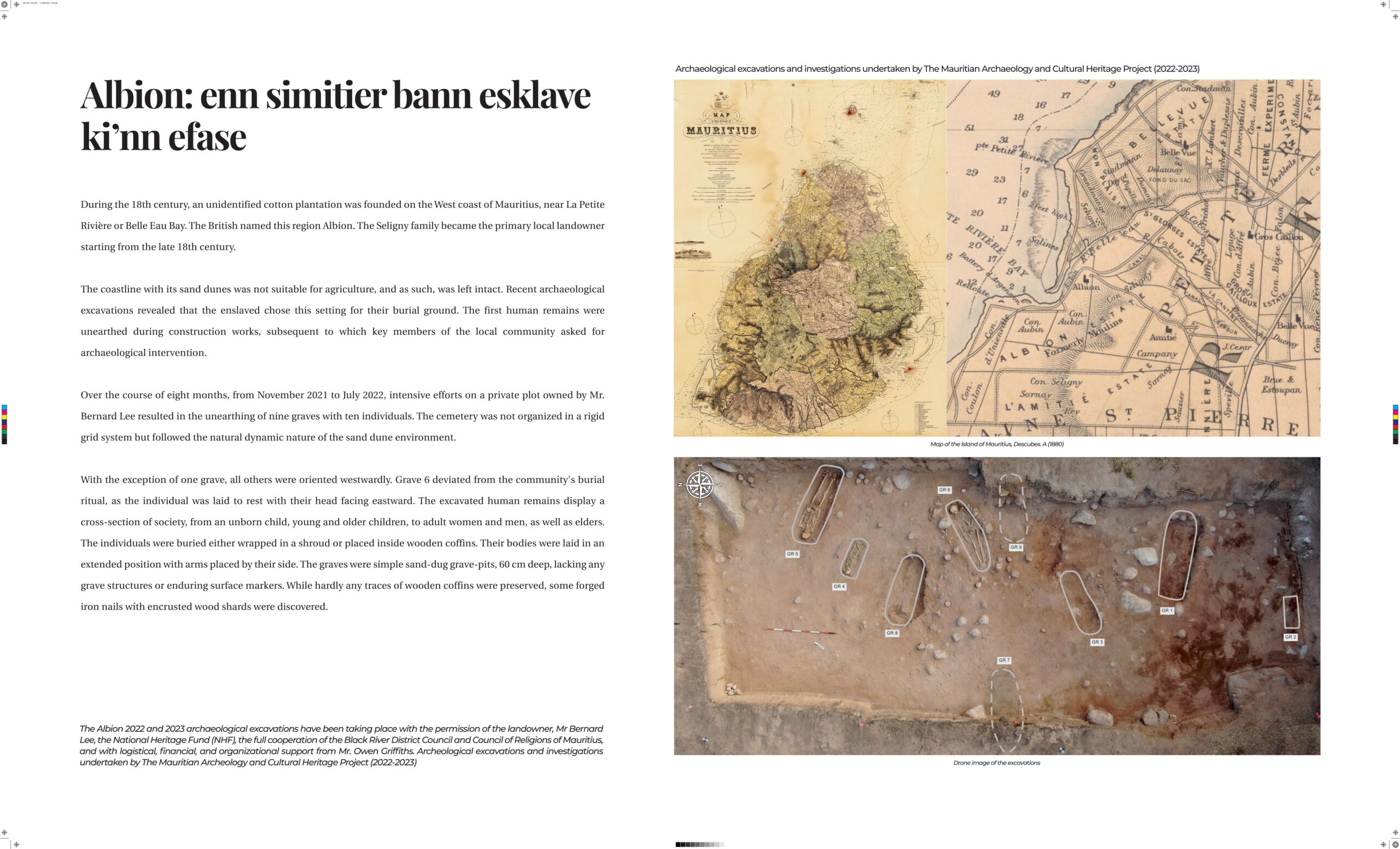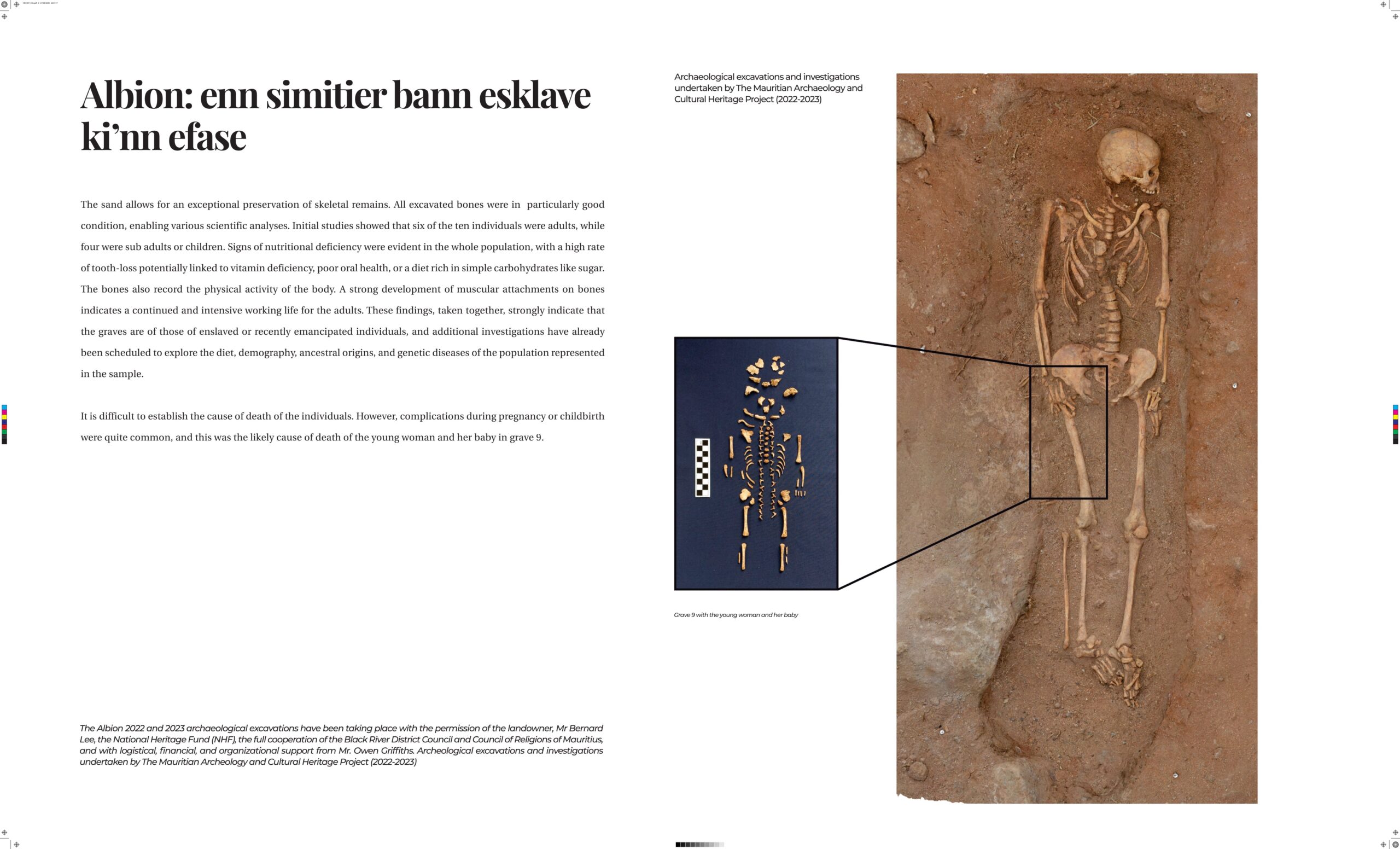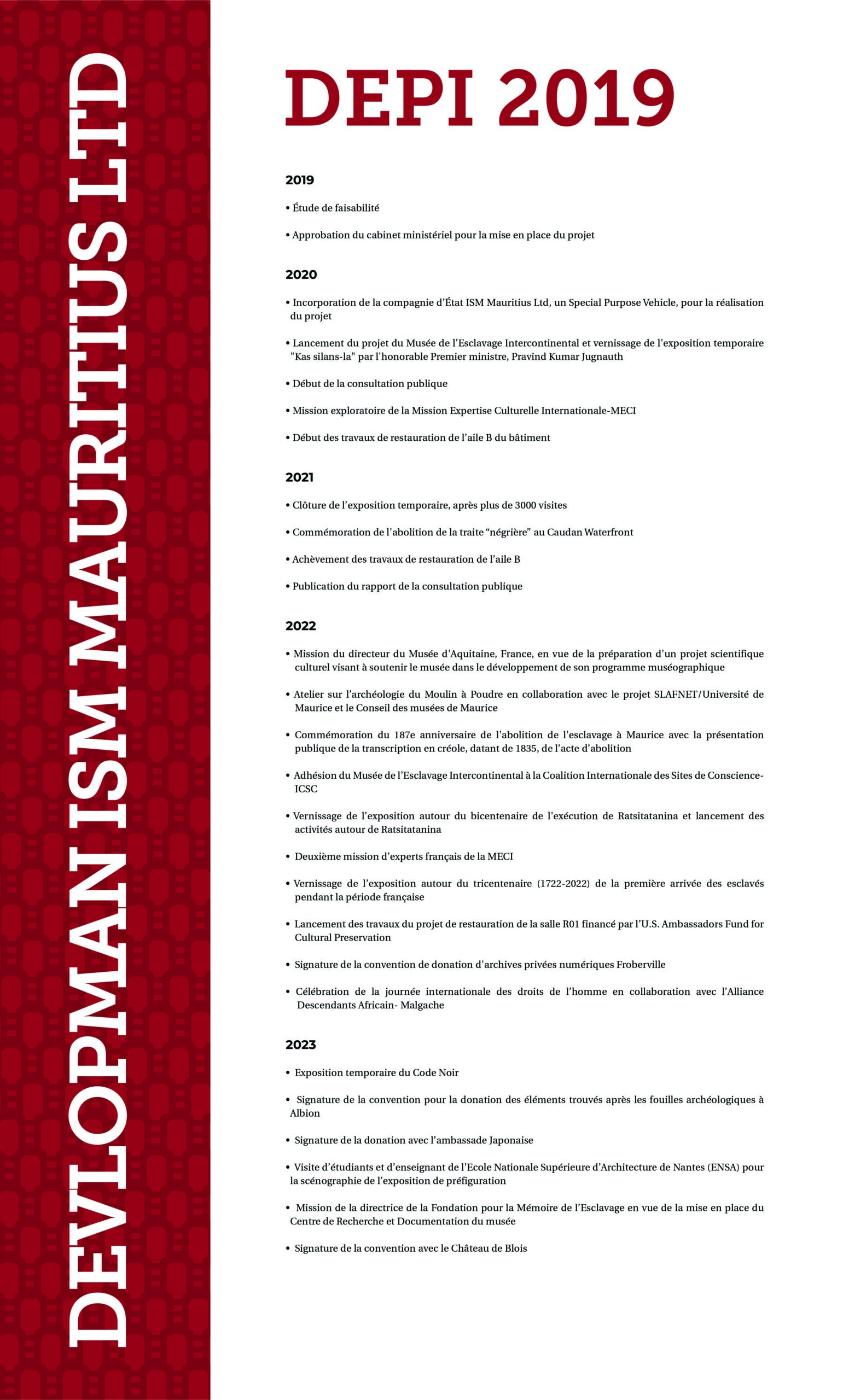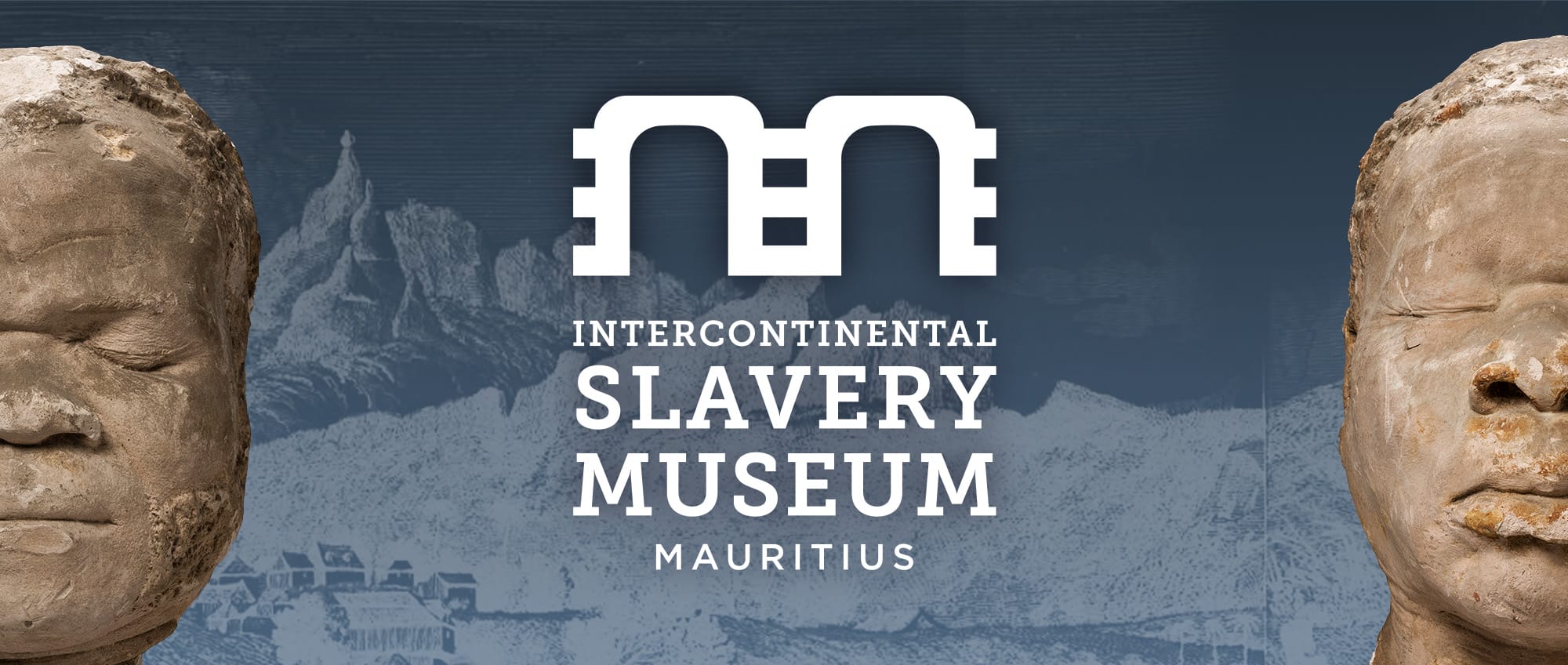
In July 2023, the Intercontinental Slavery Museum commissioned Seba Labs to handle the complete graphic design of their upcoming exhibition — the first of its kind for the institution. The timeline was tight: two months to opening. The stakes were high.
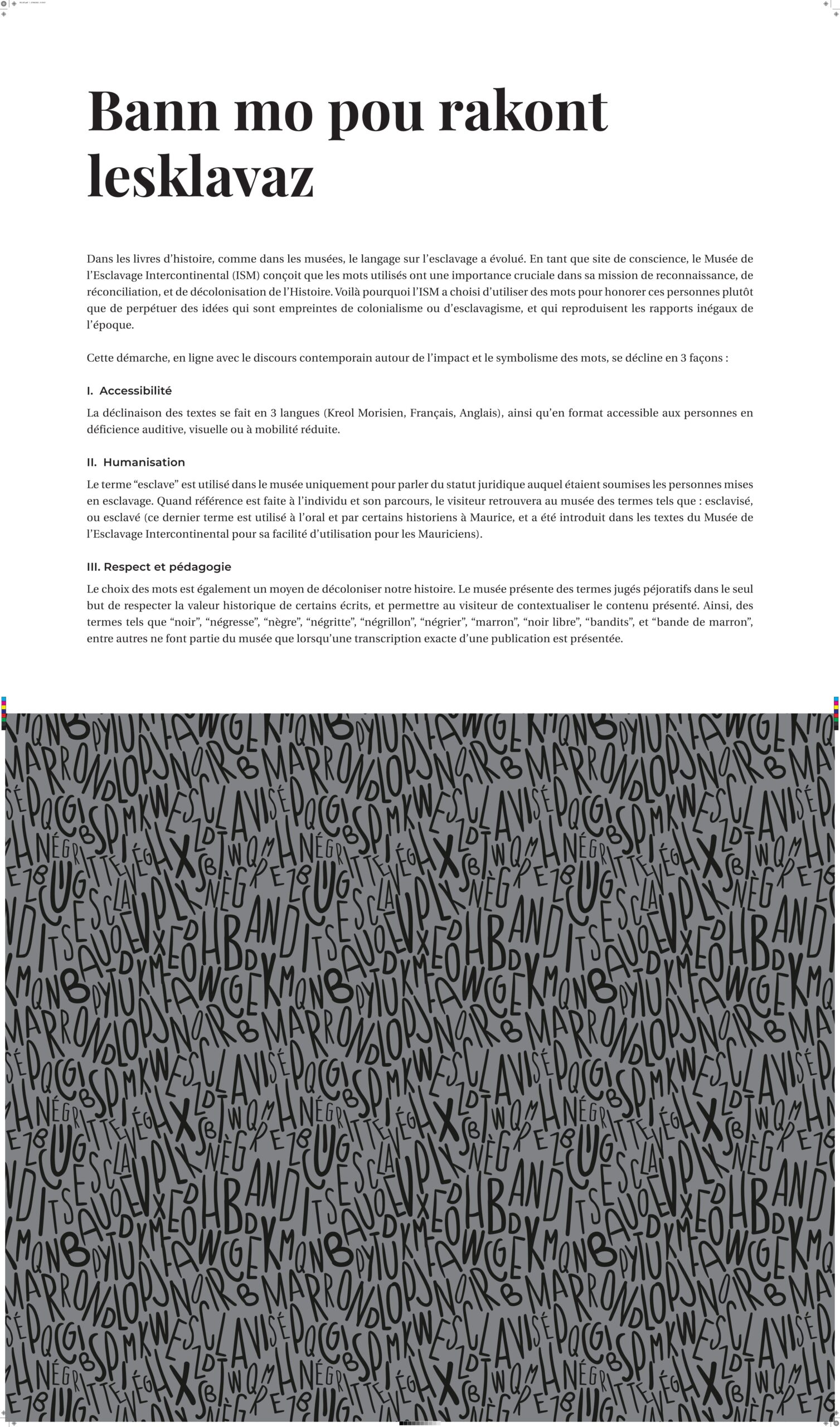
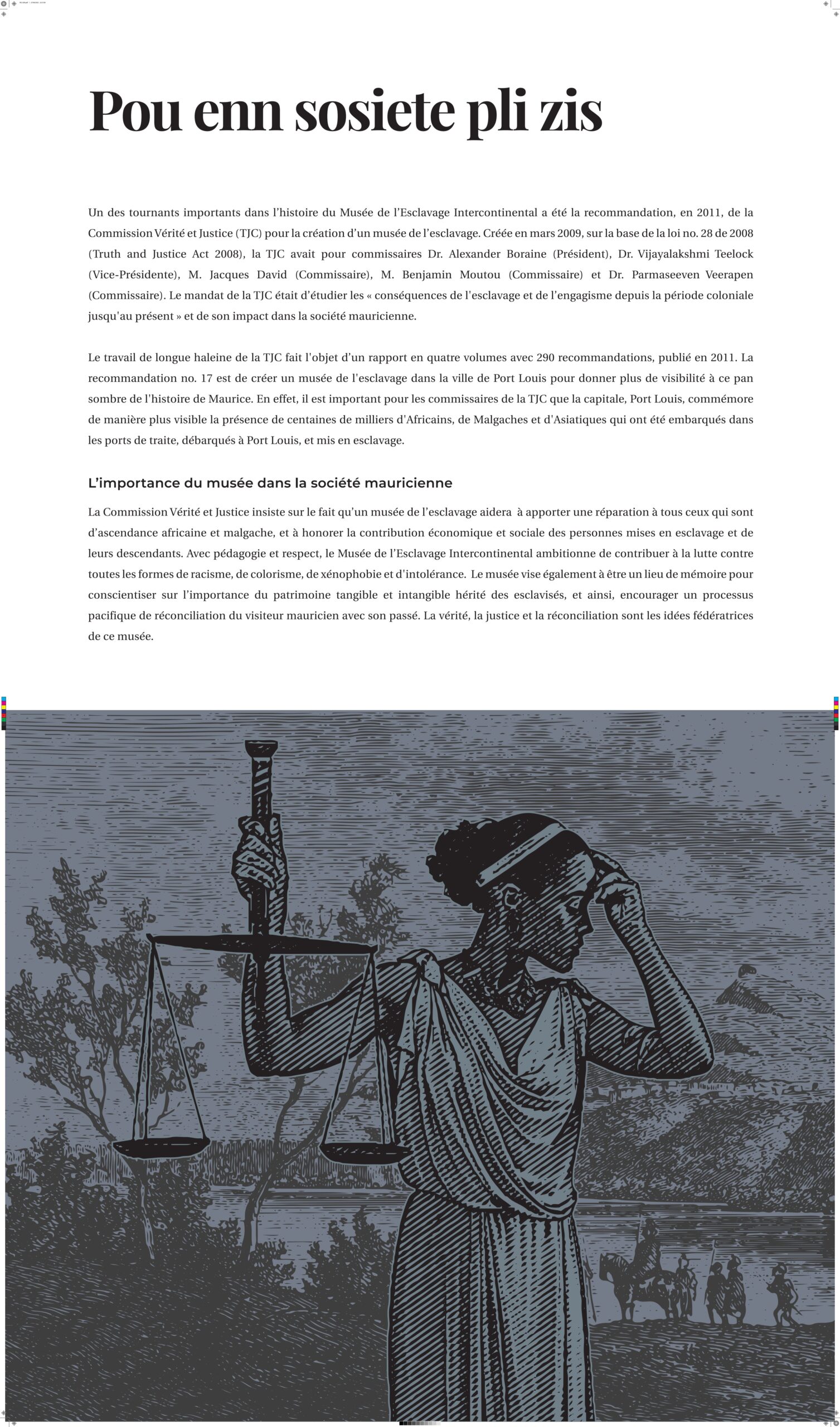
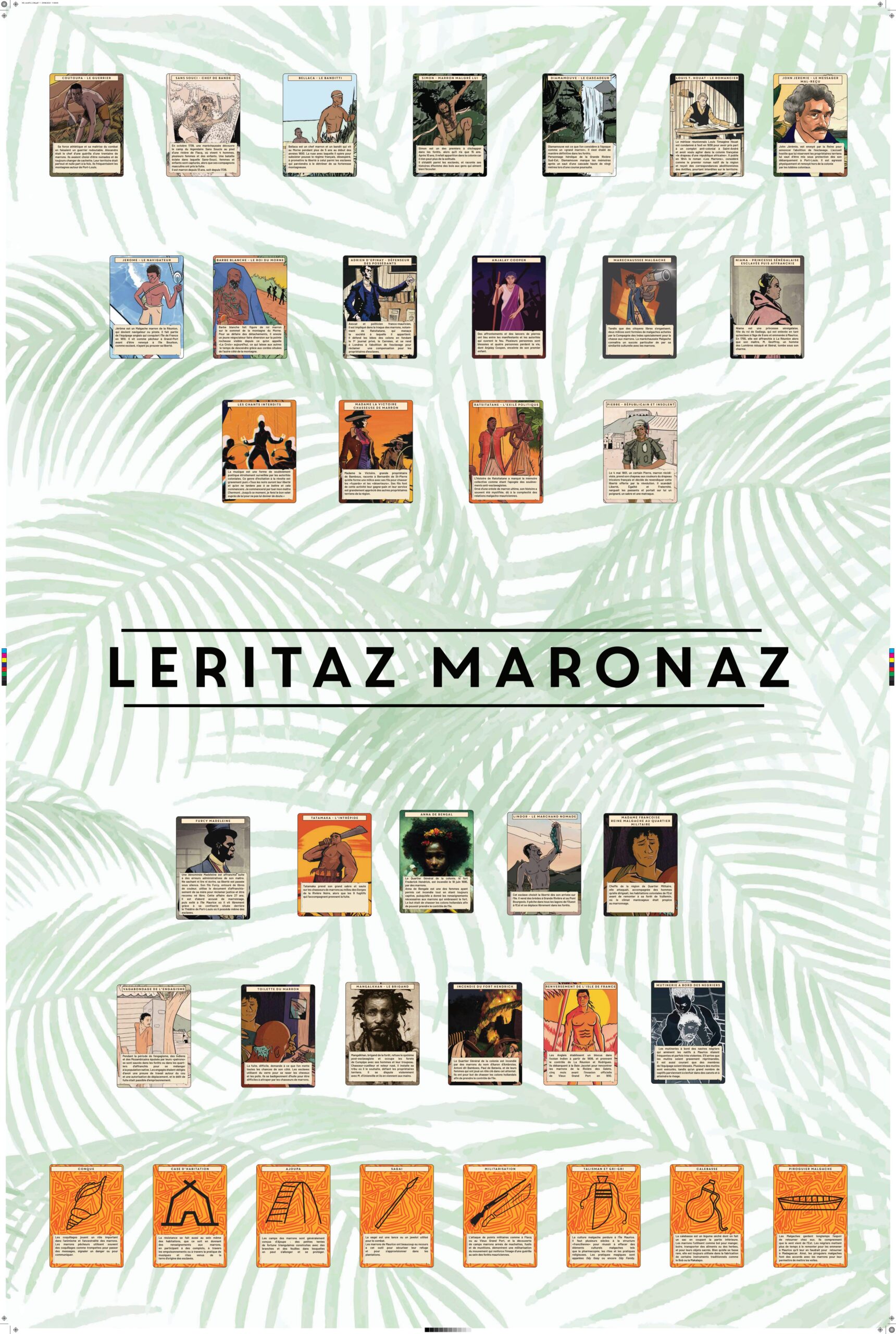
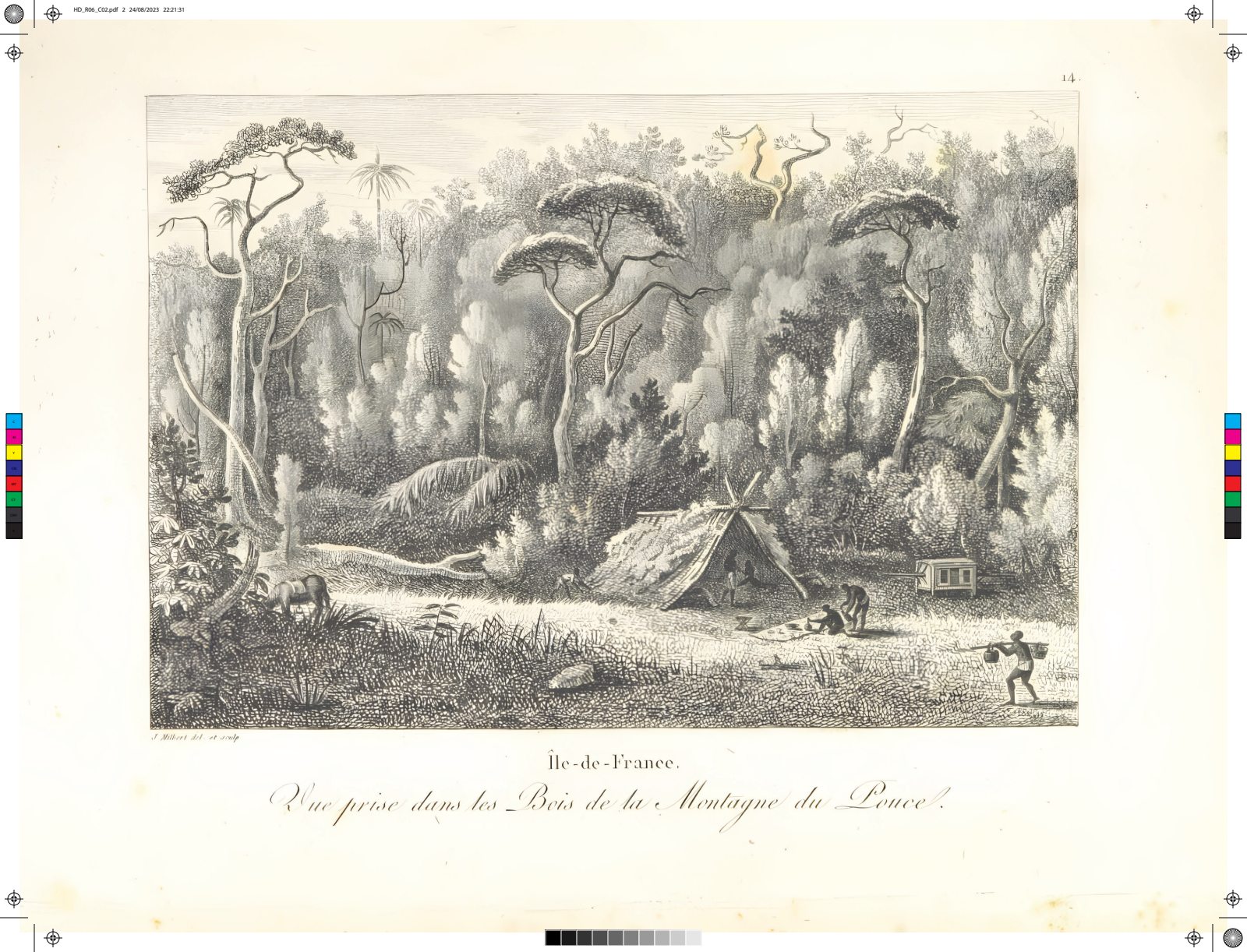
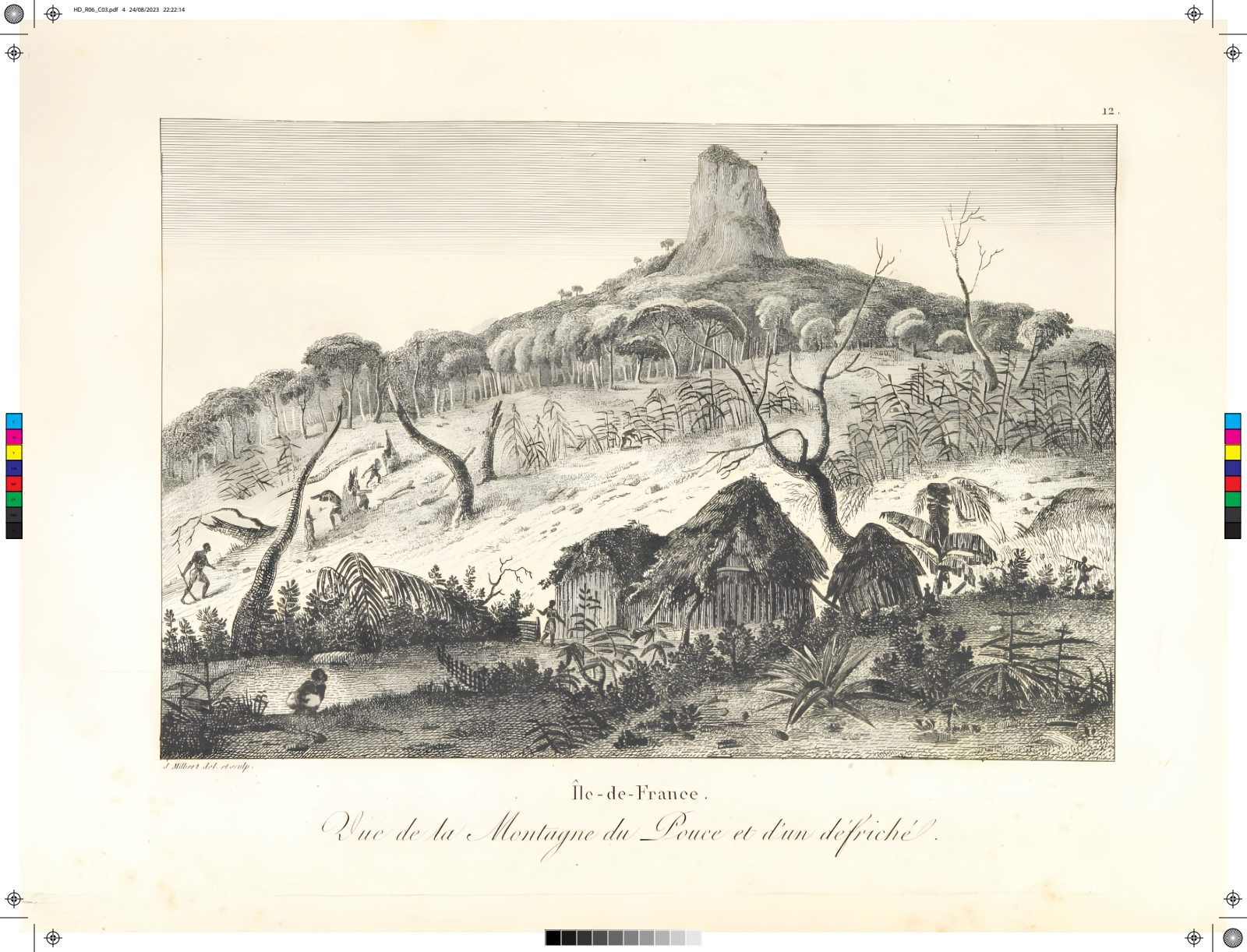
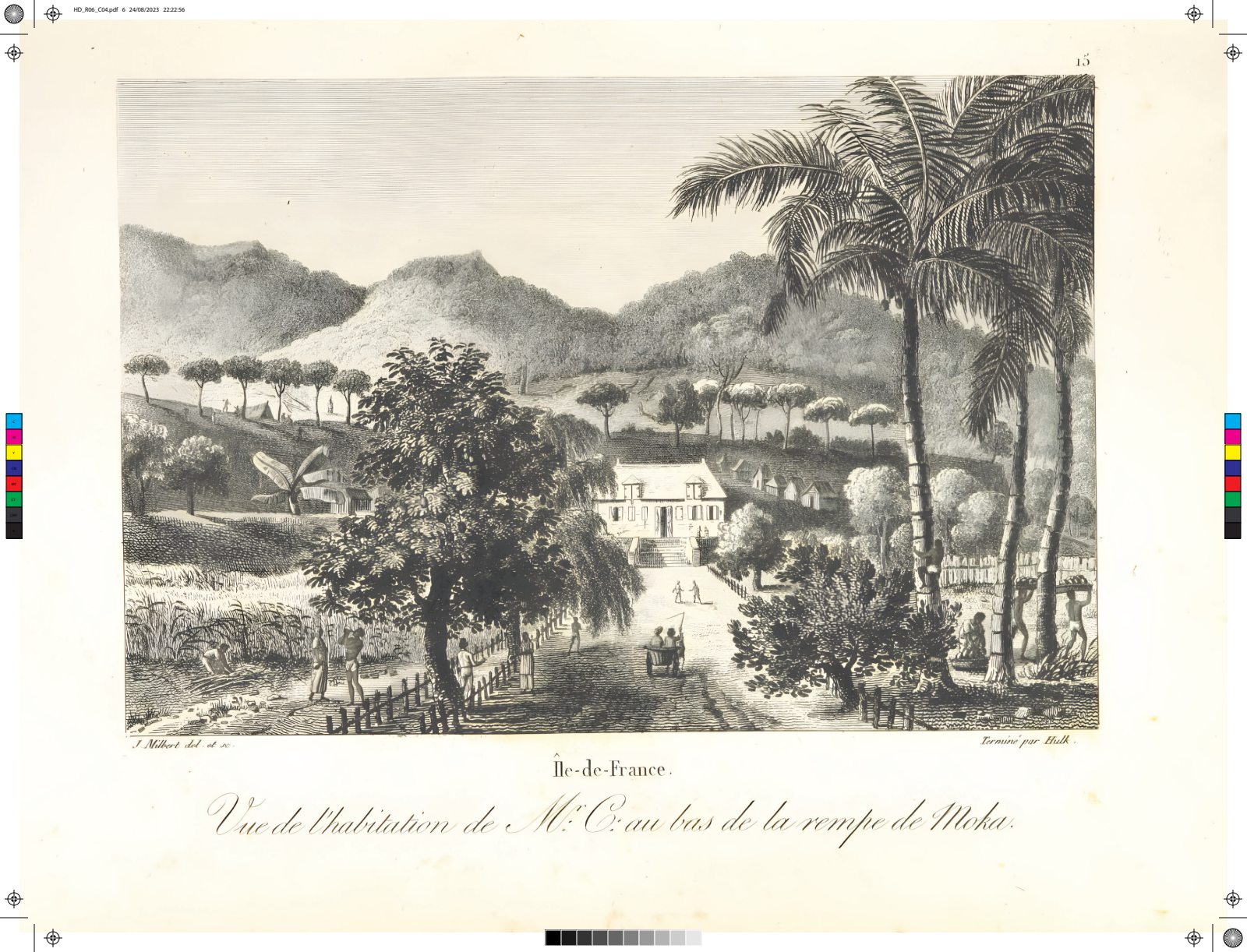
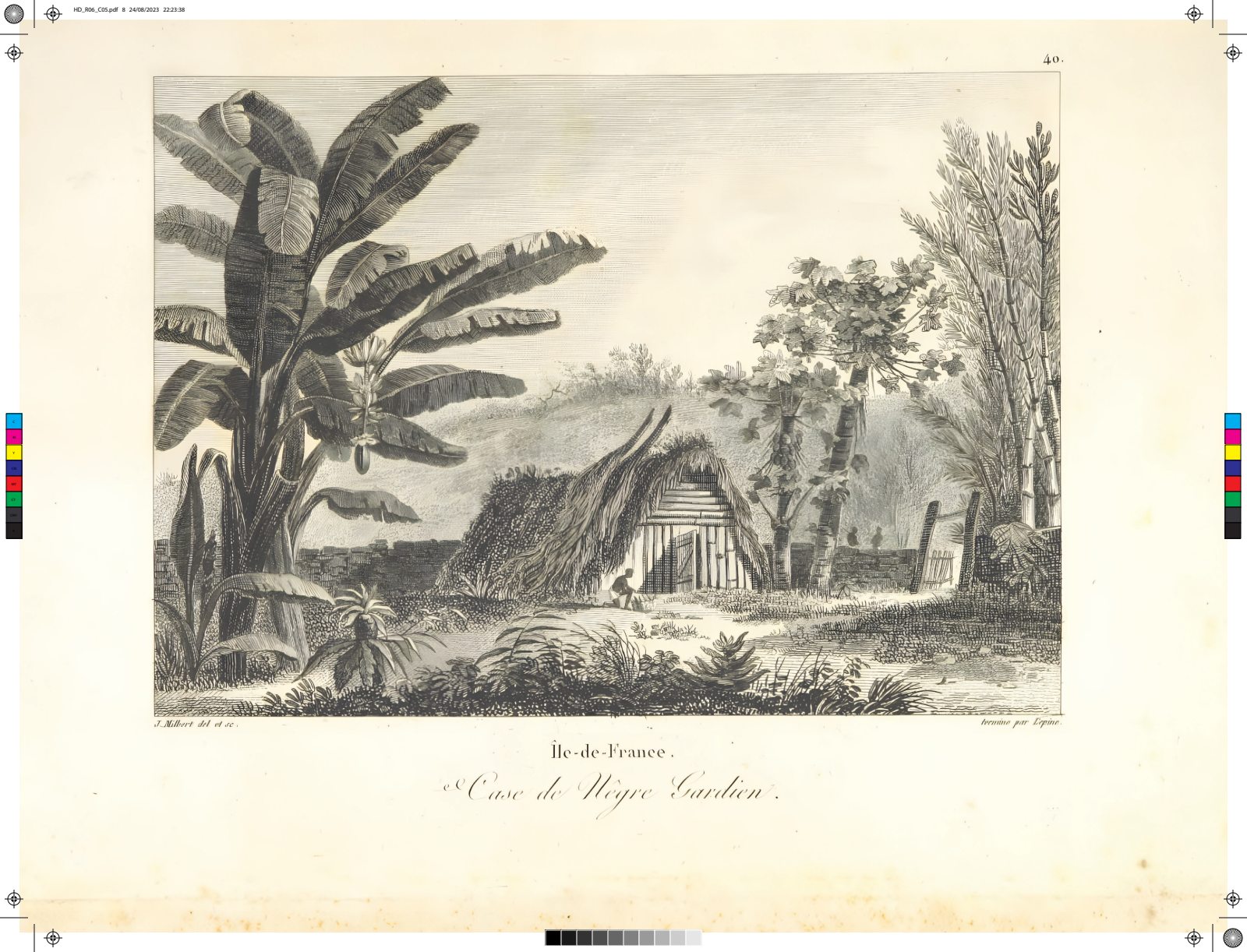
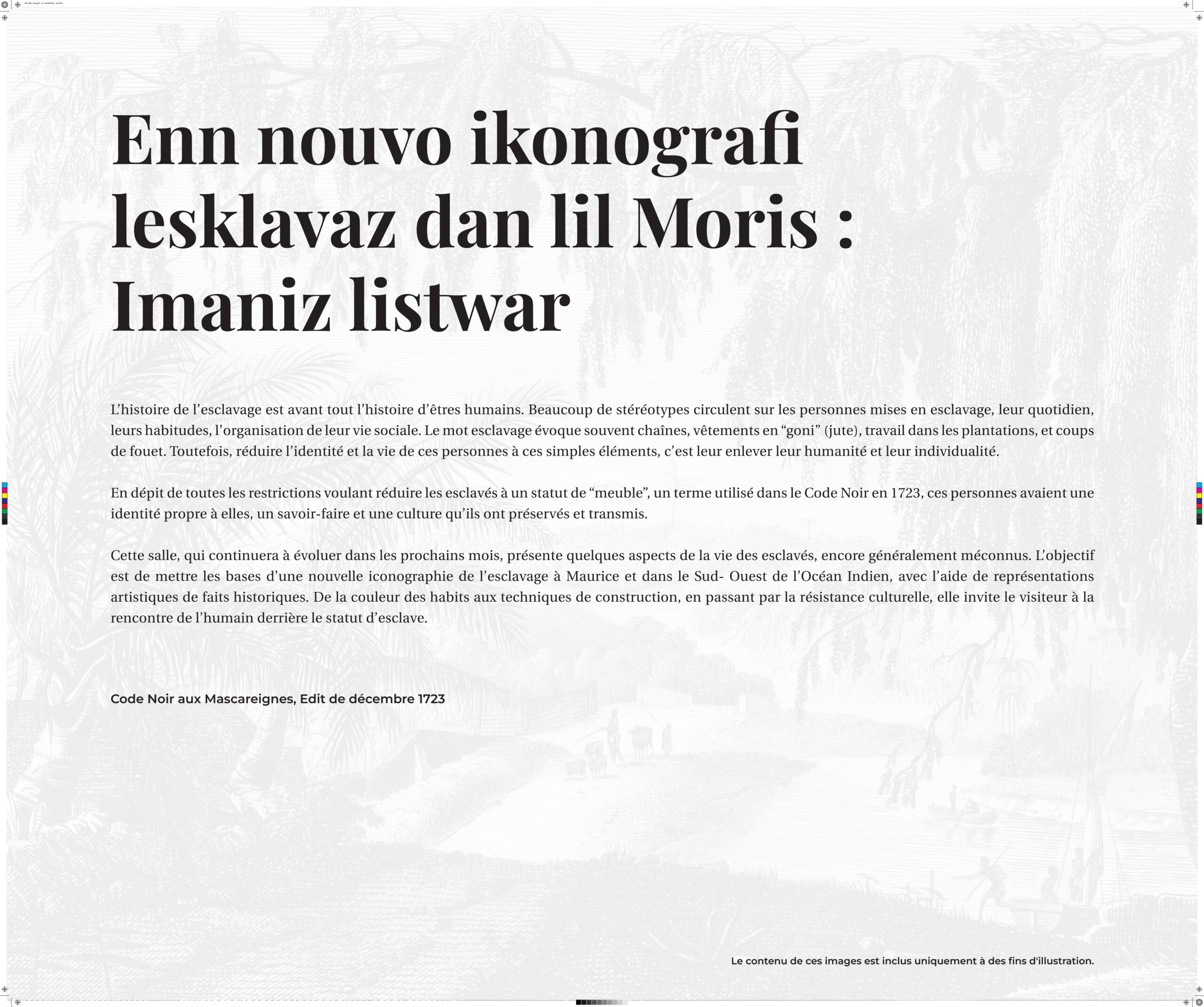
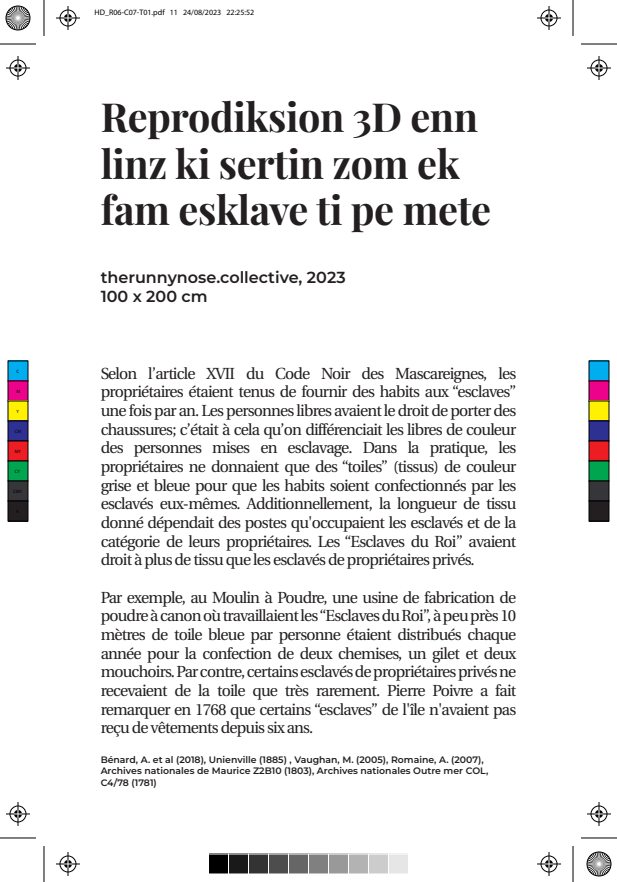
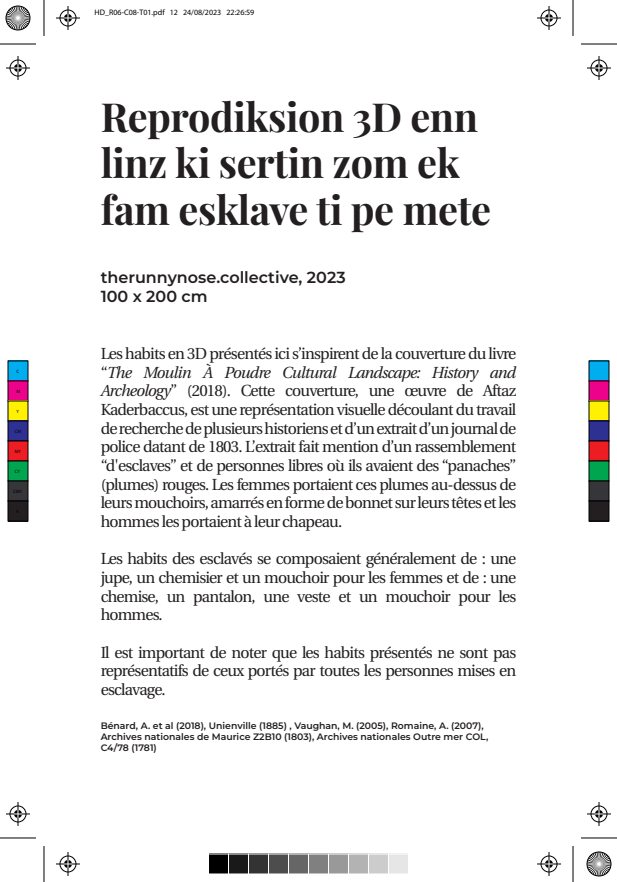
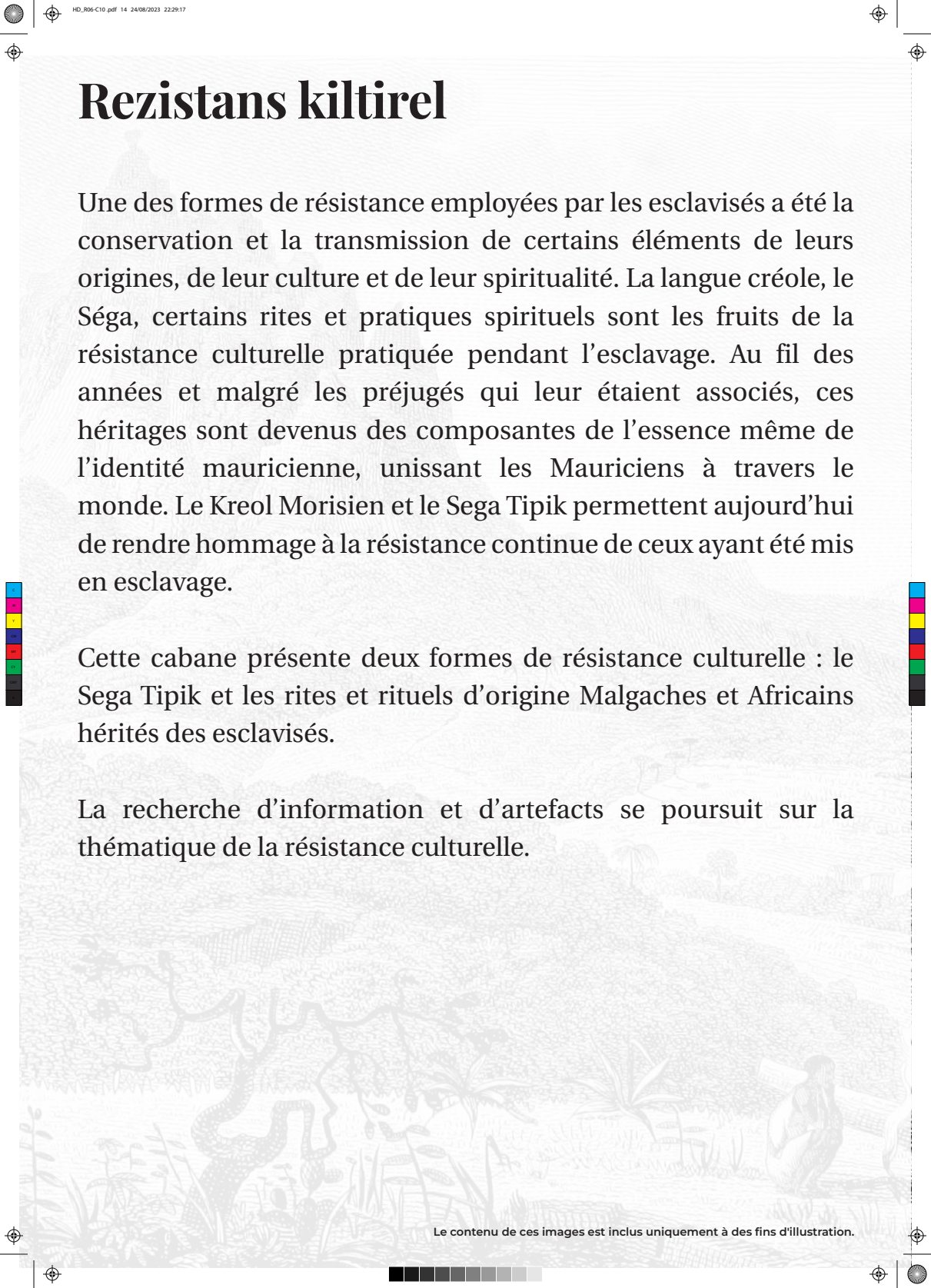
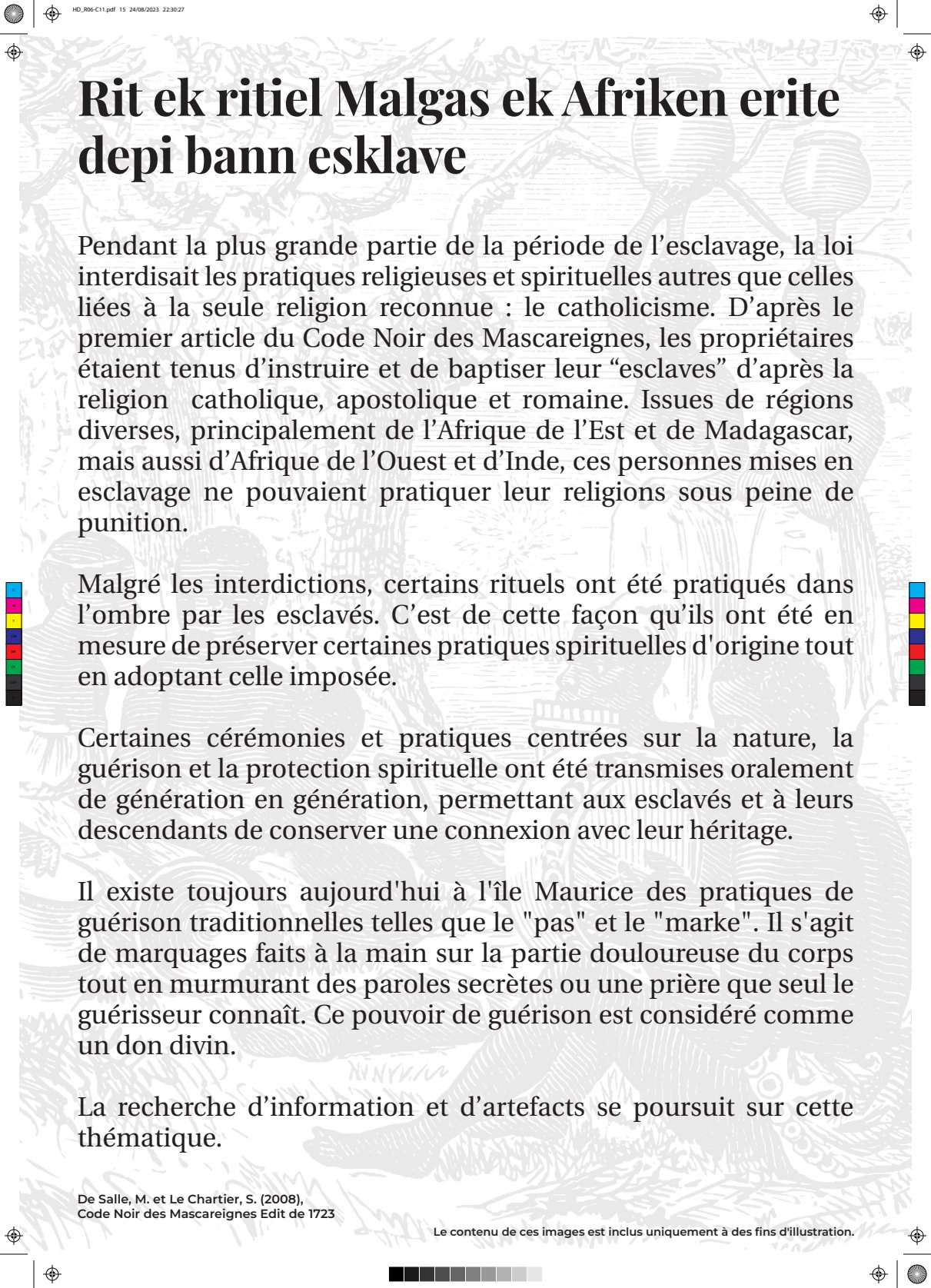
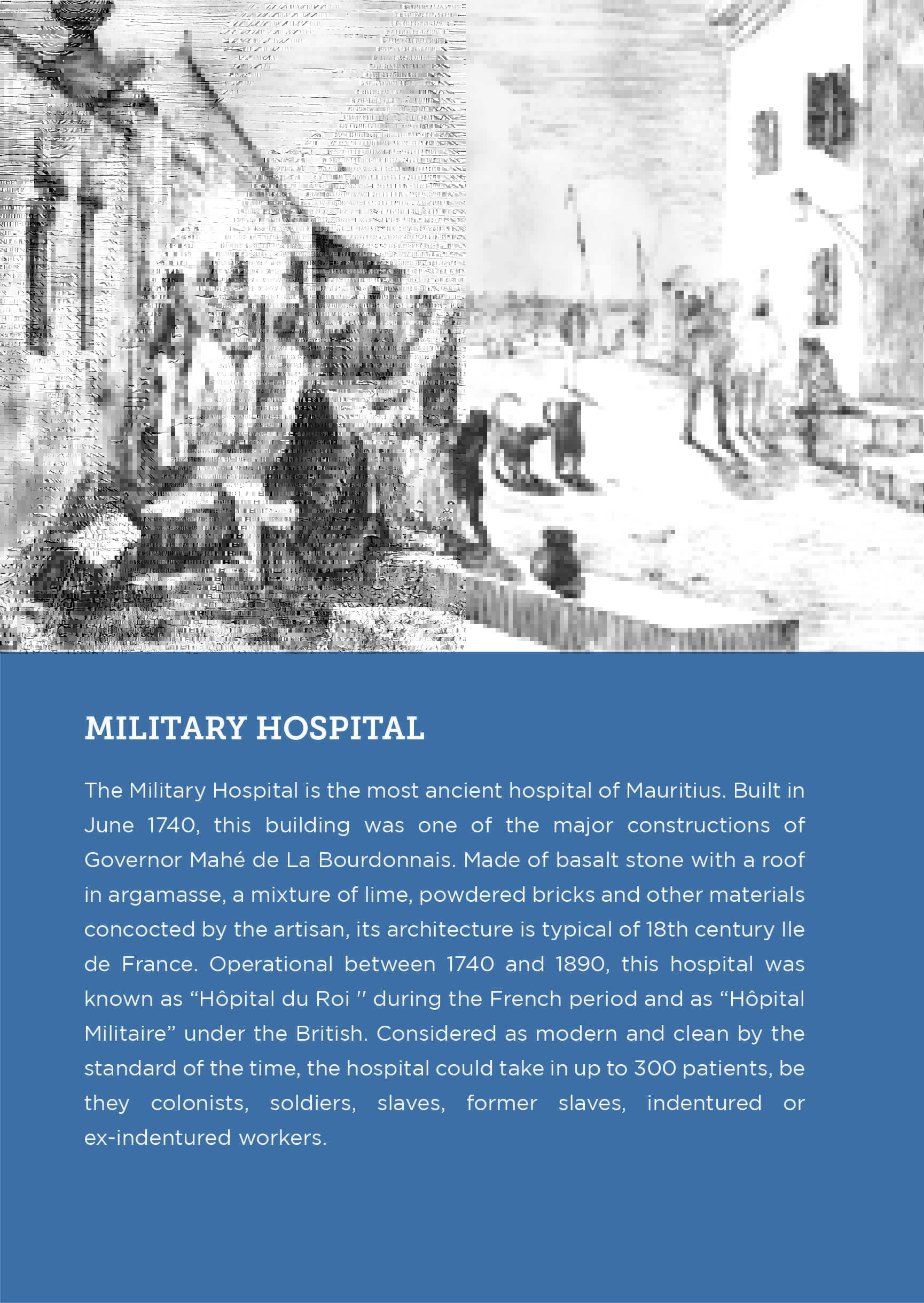
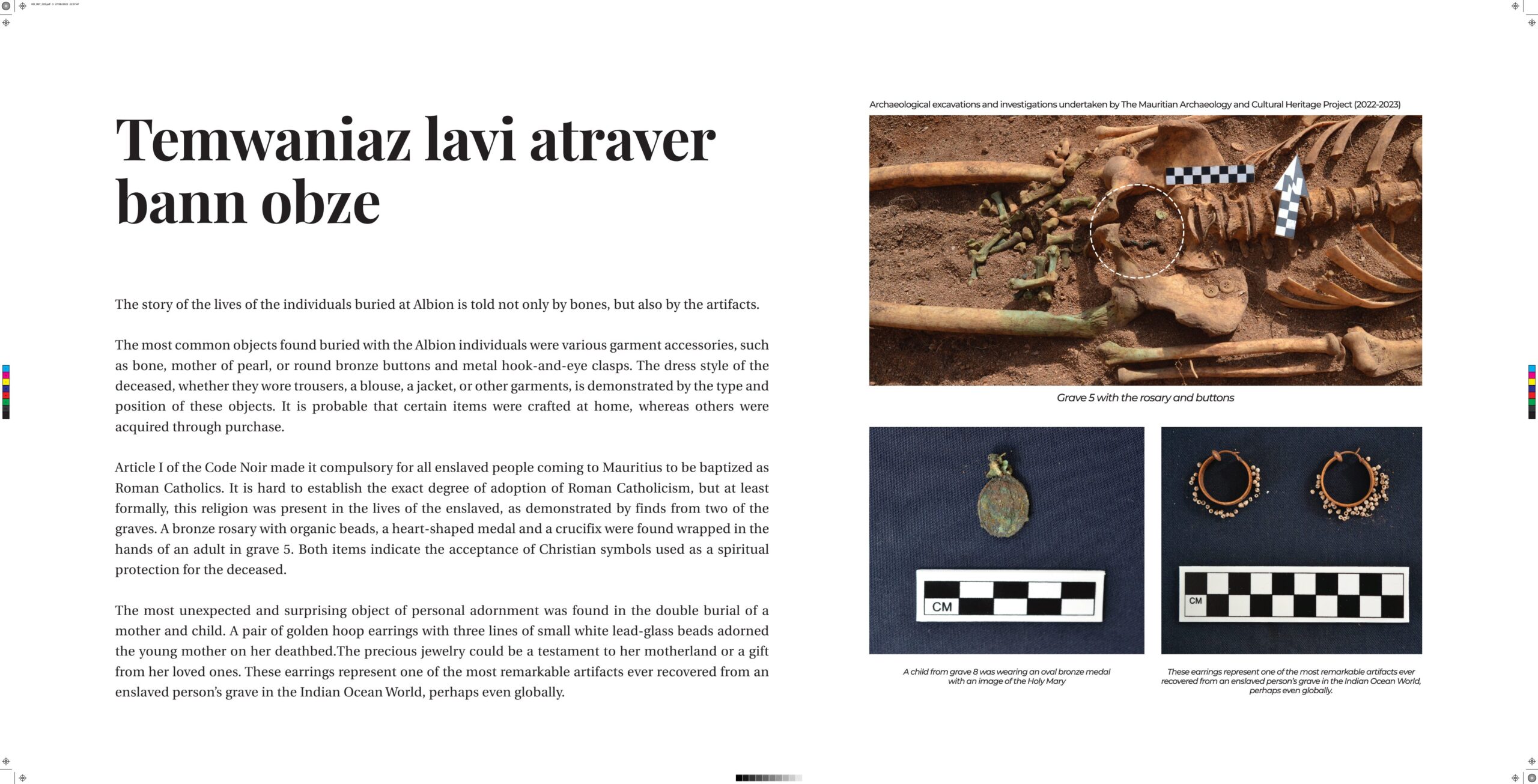
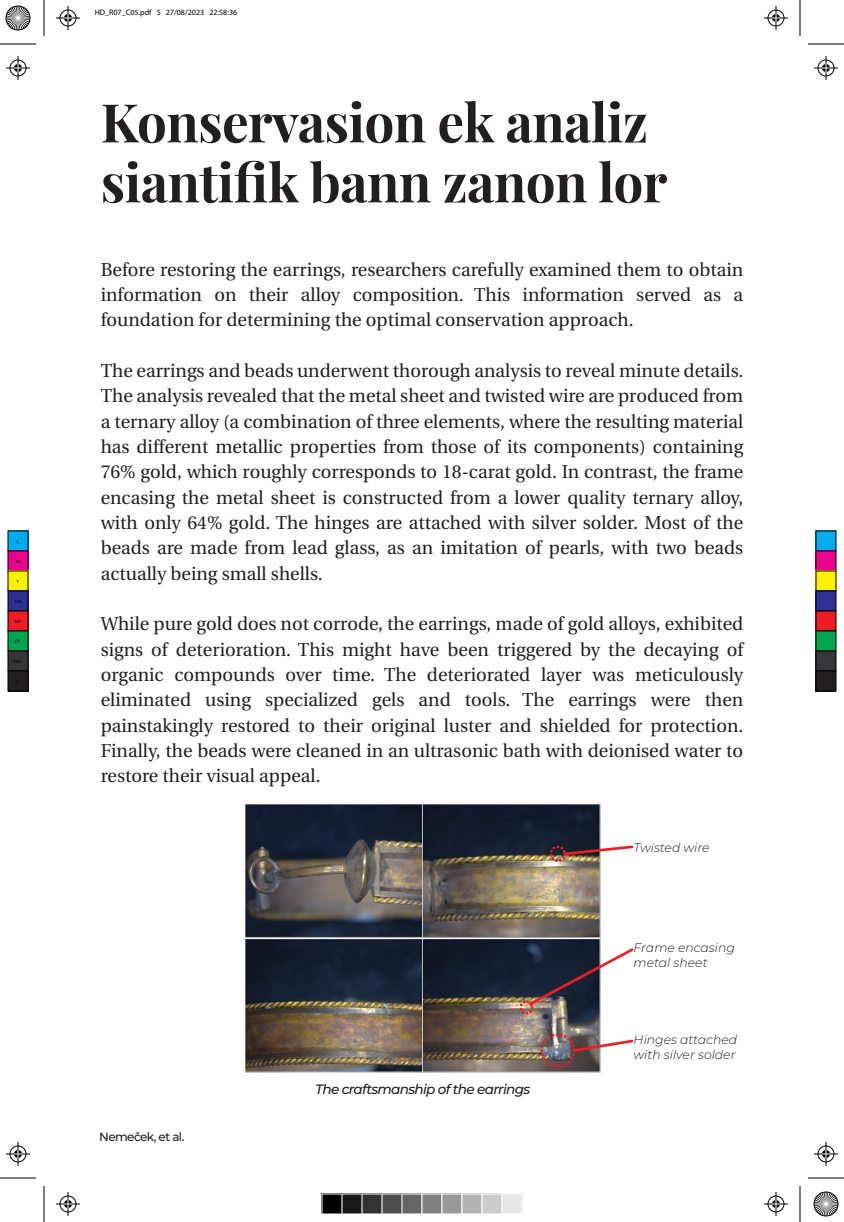
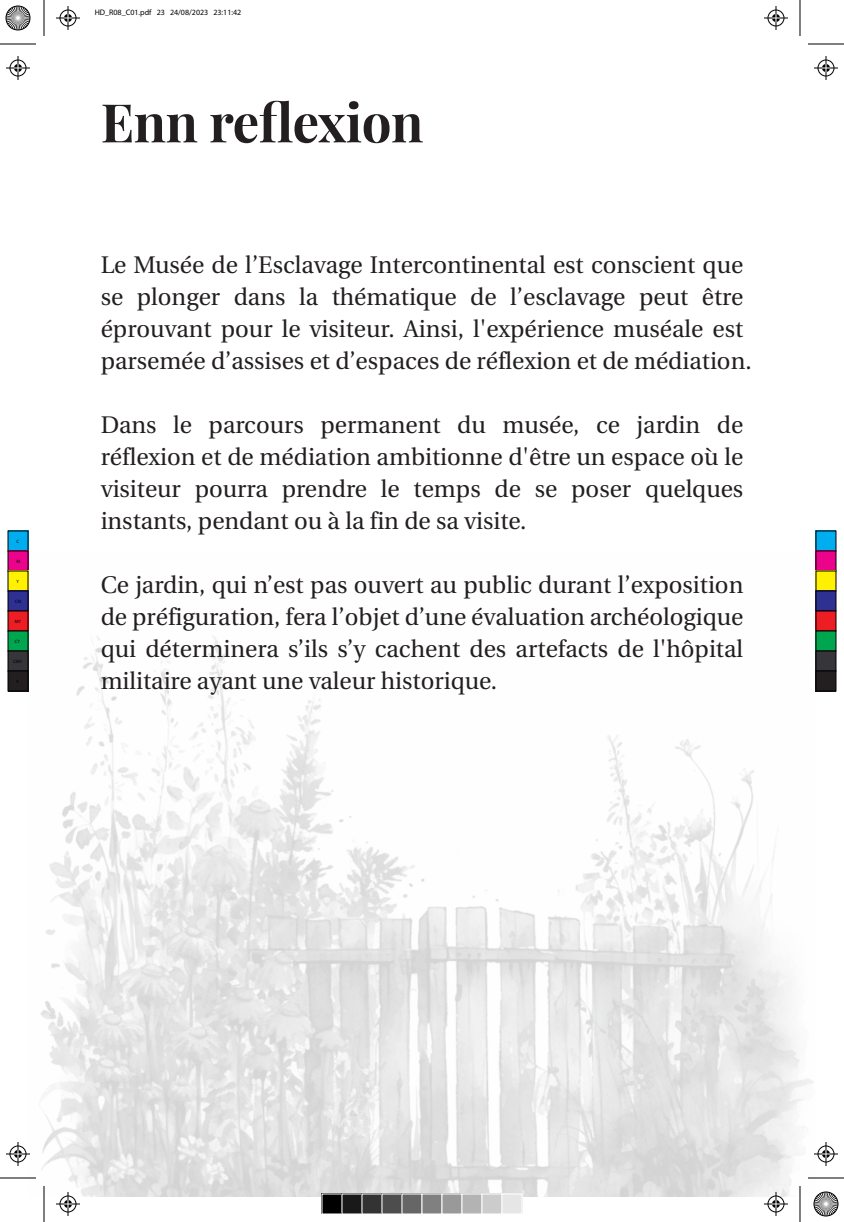
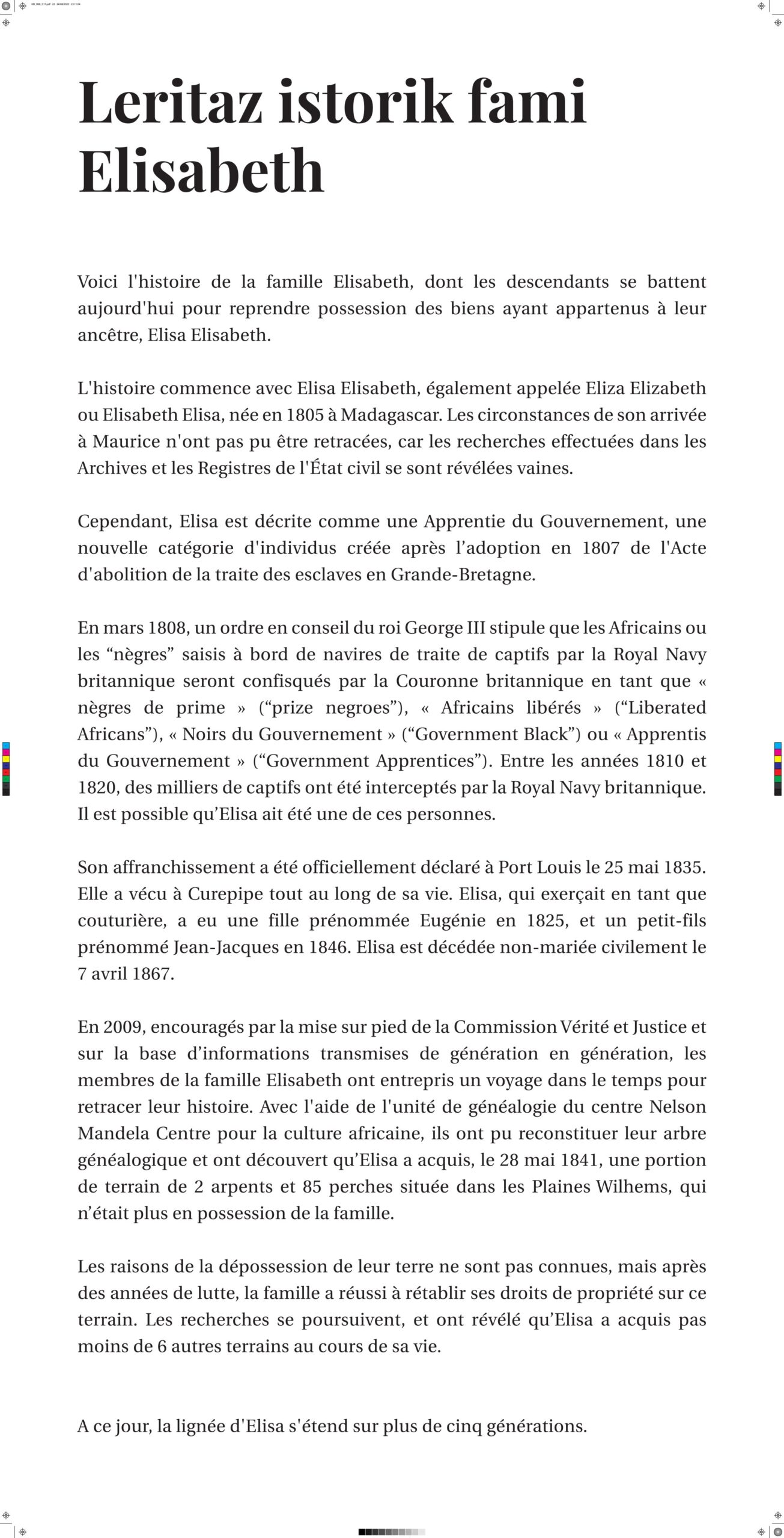
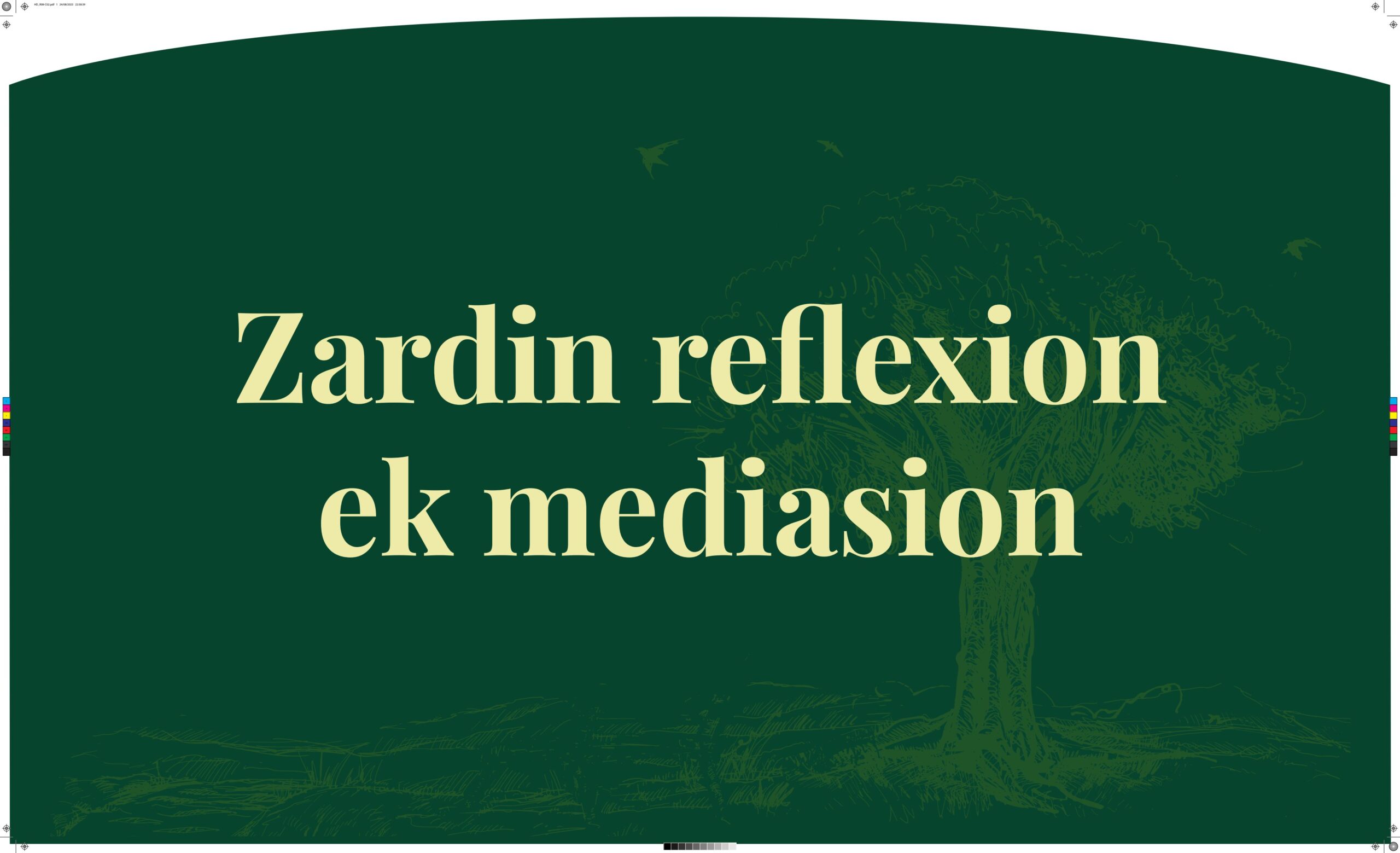
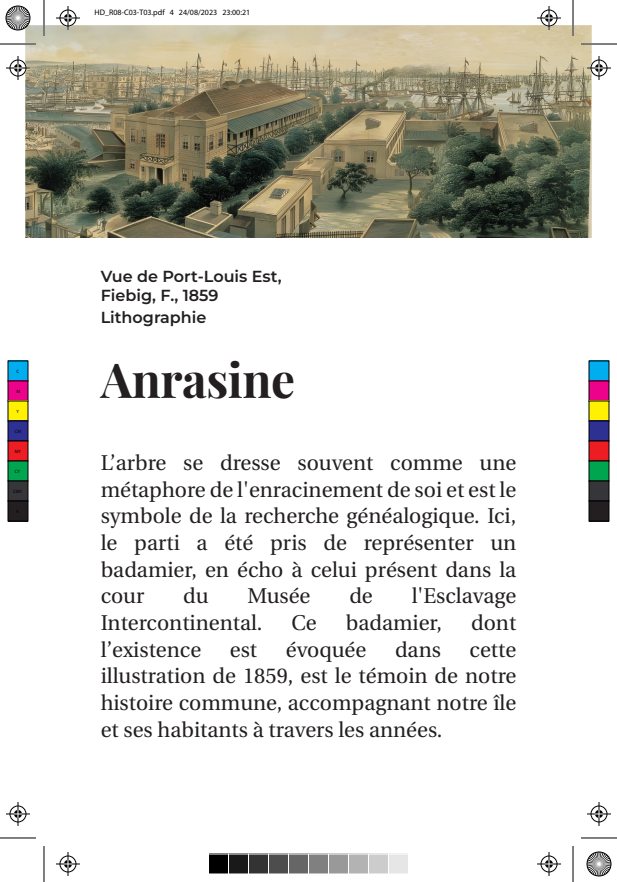
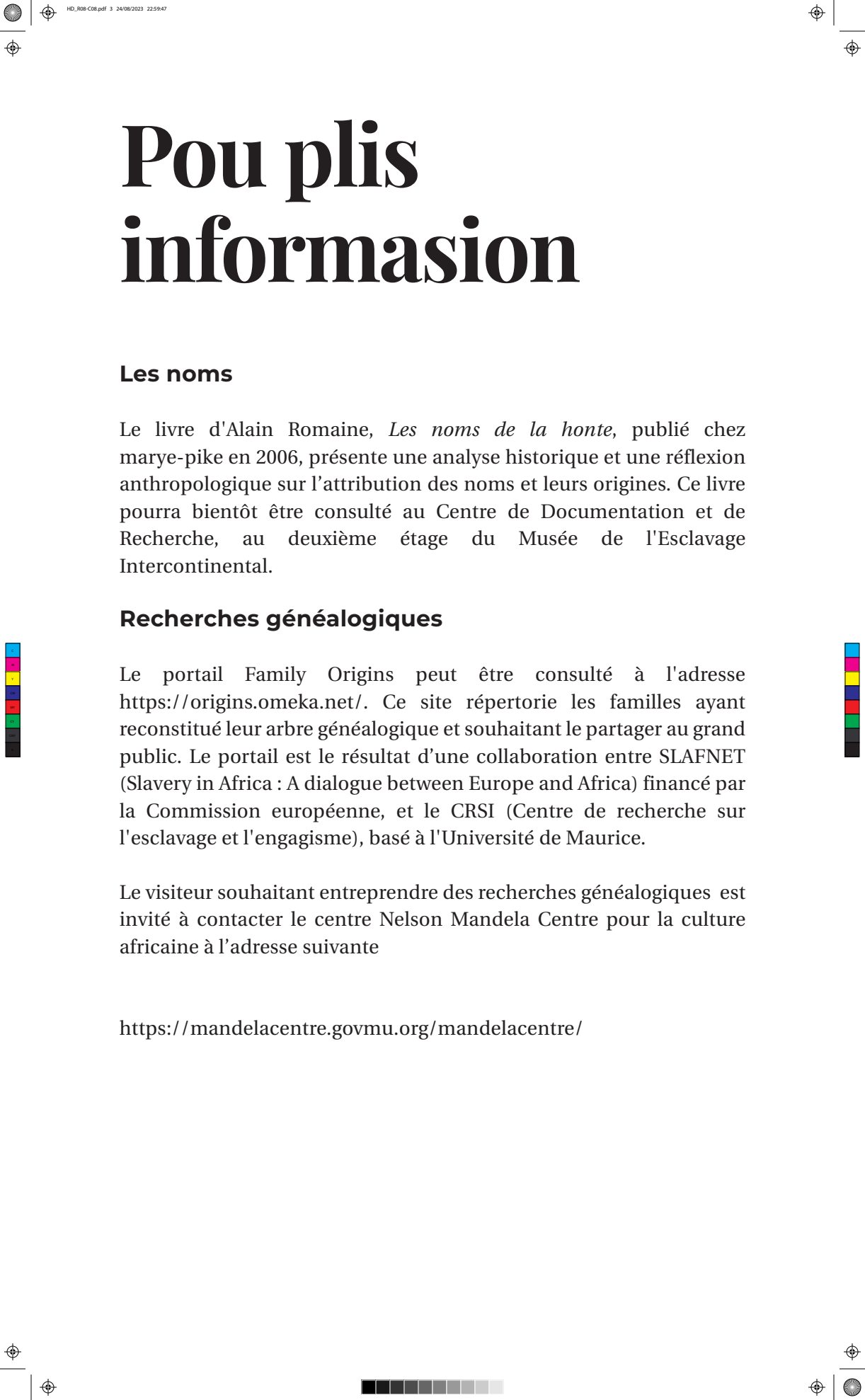
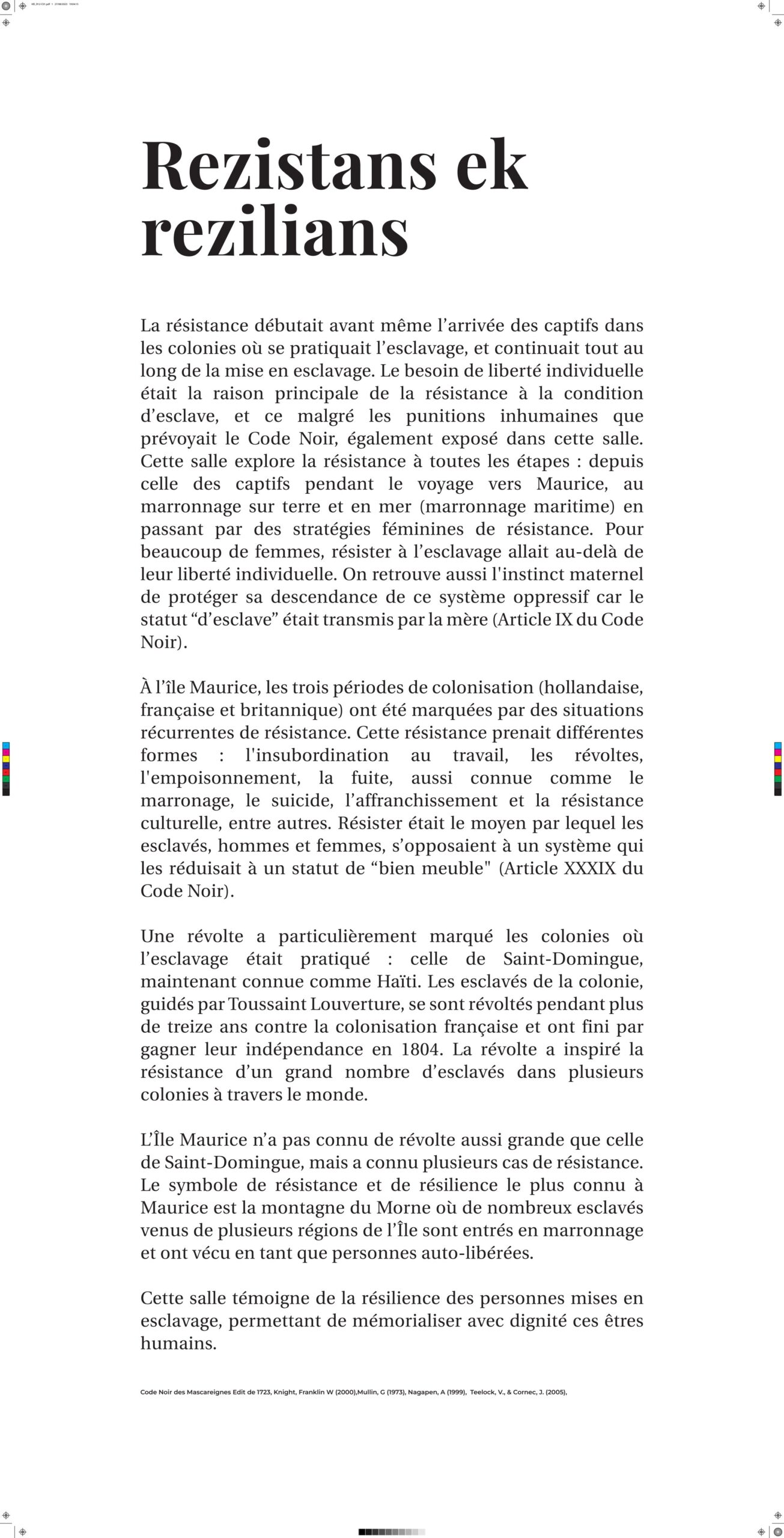
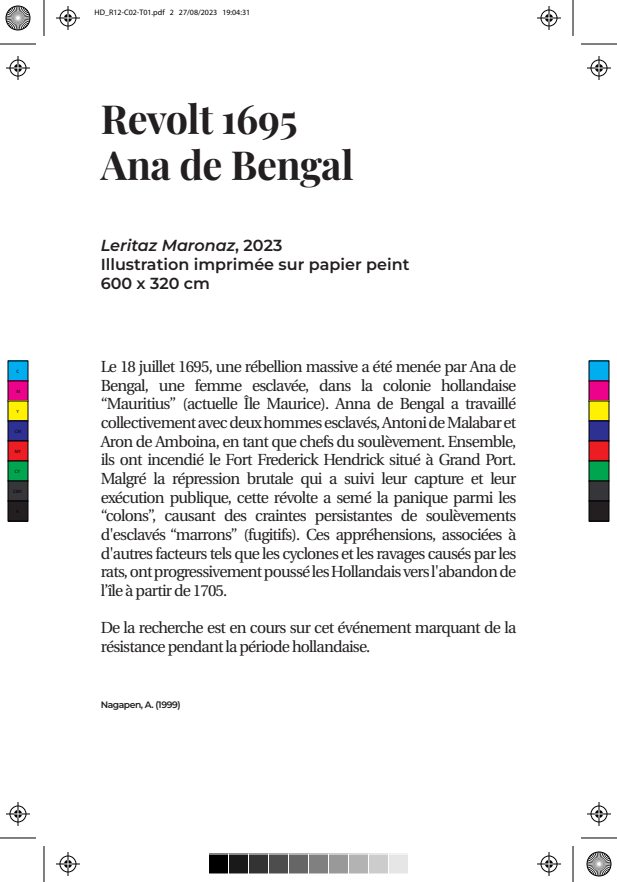
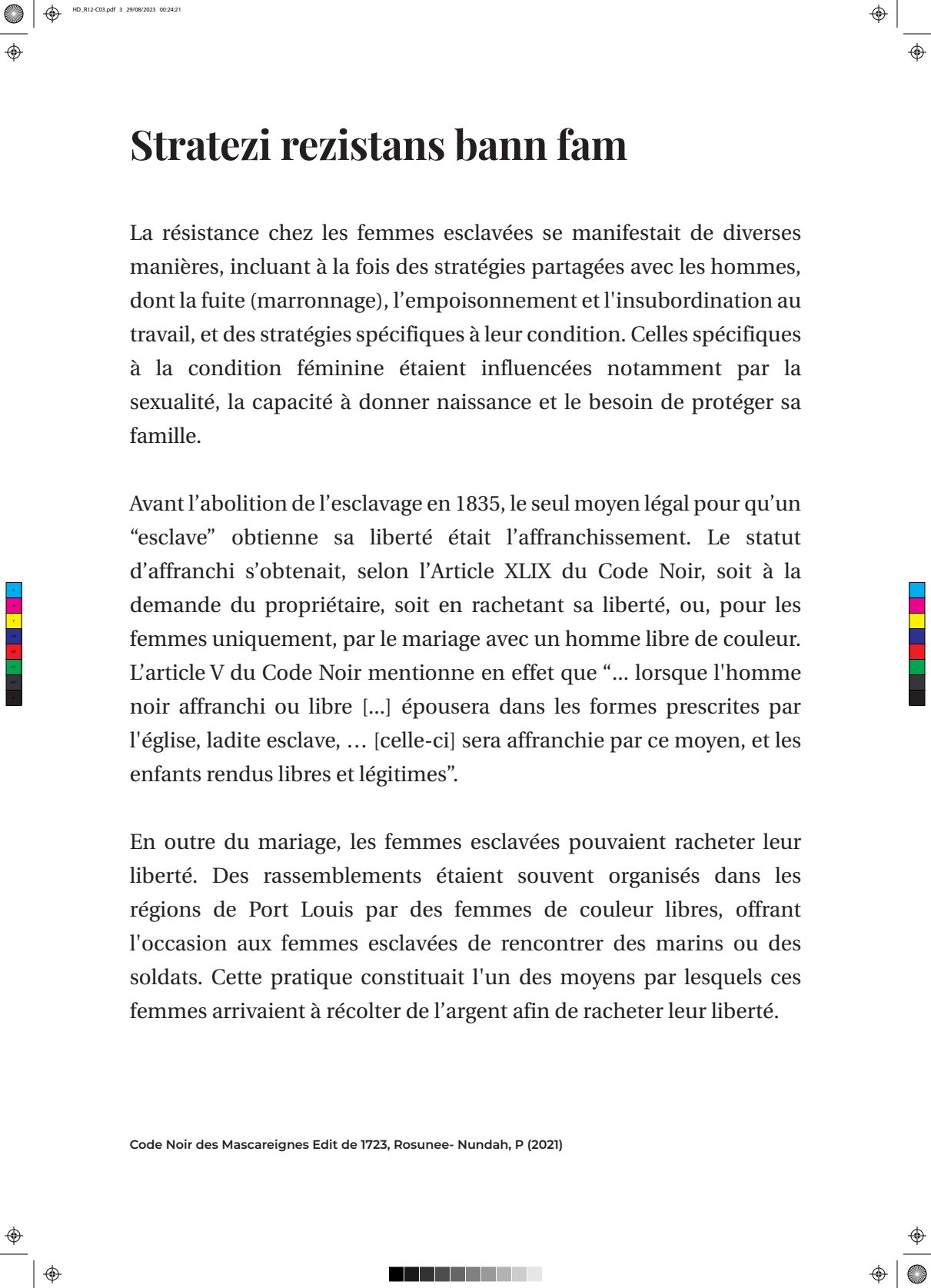
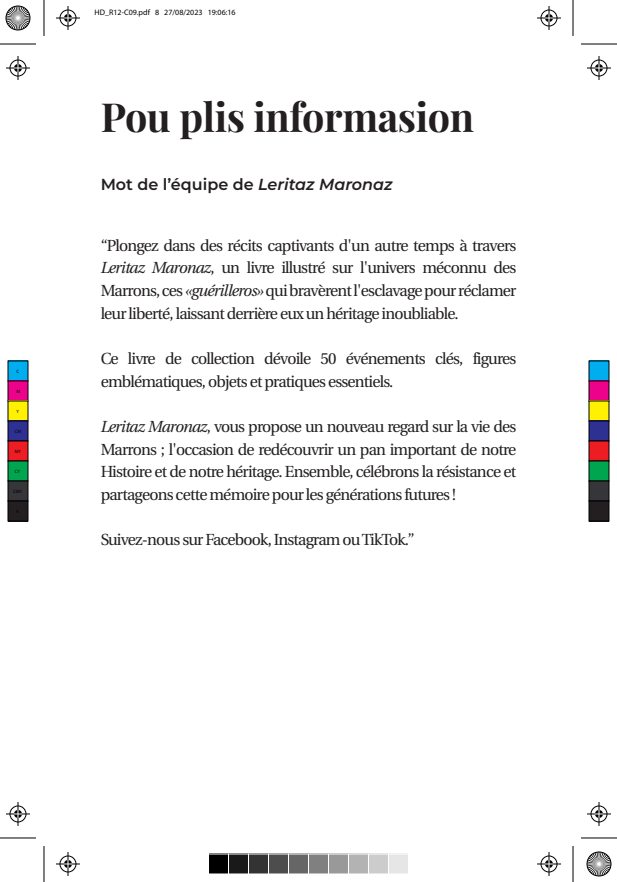
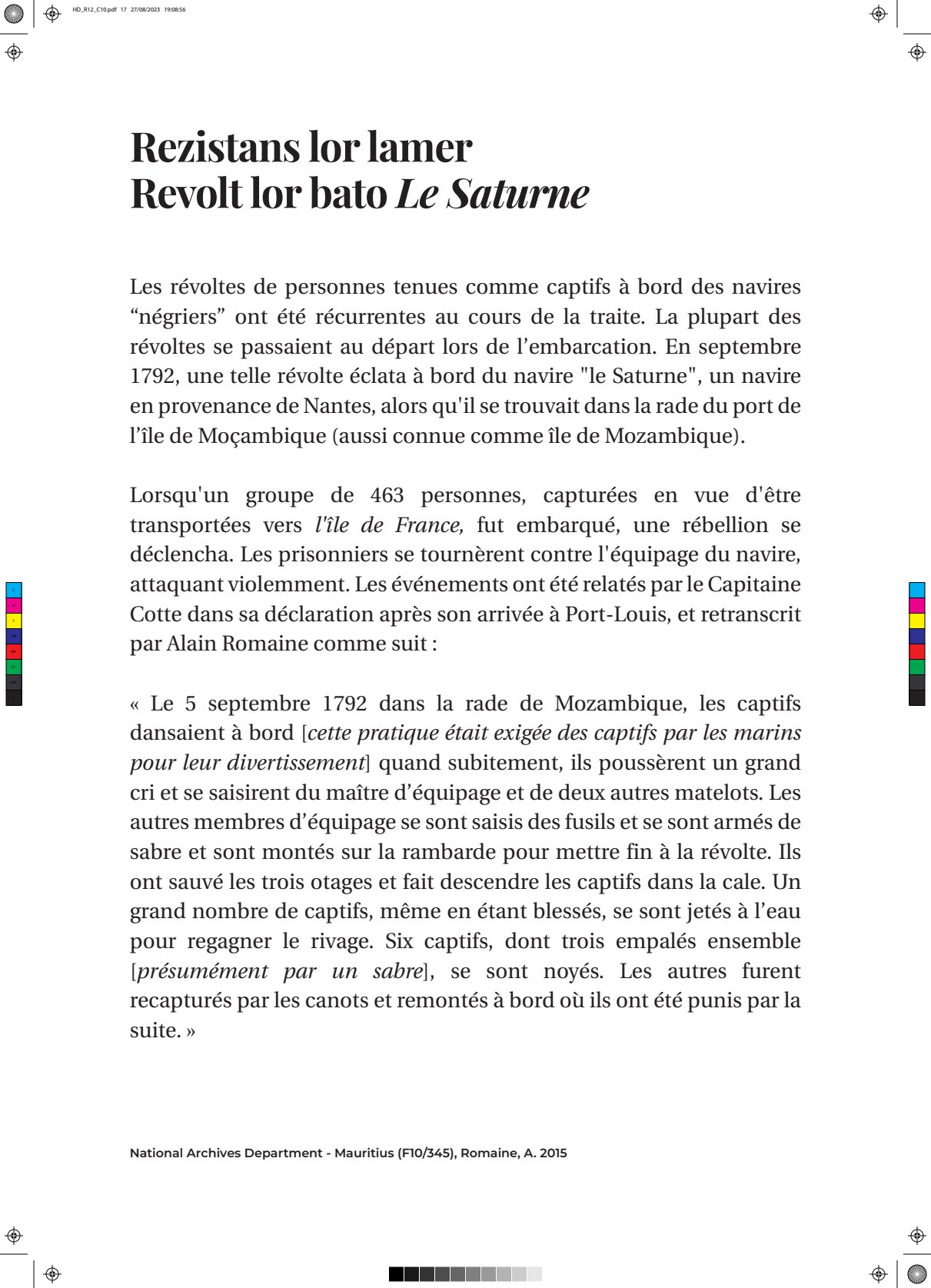
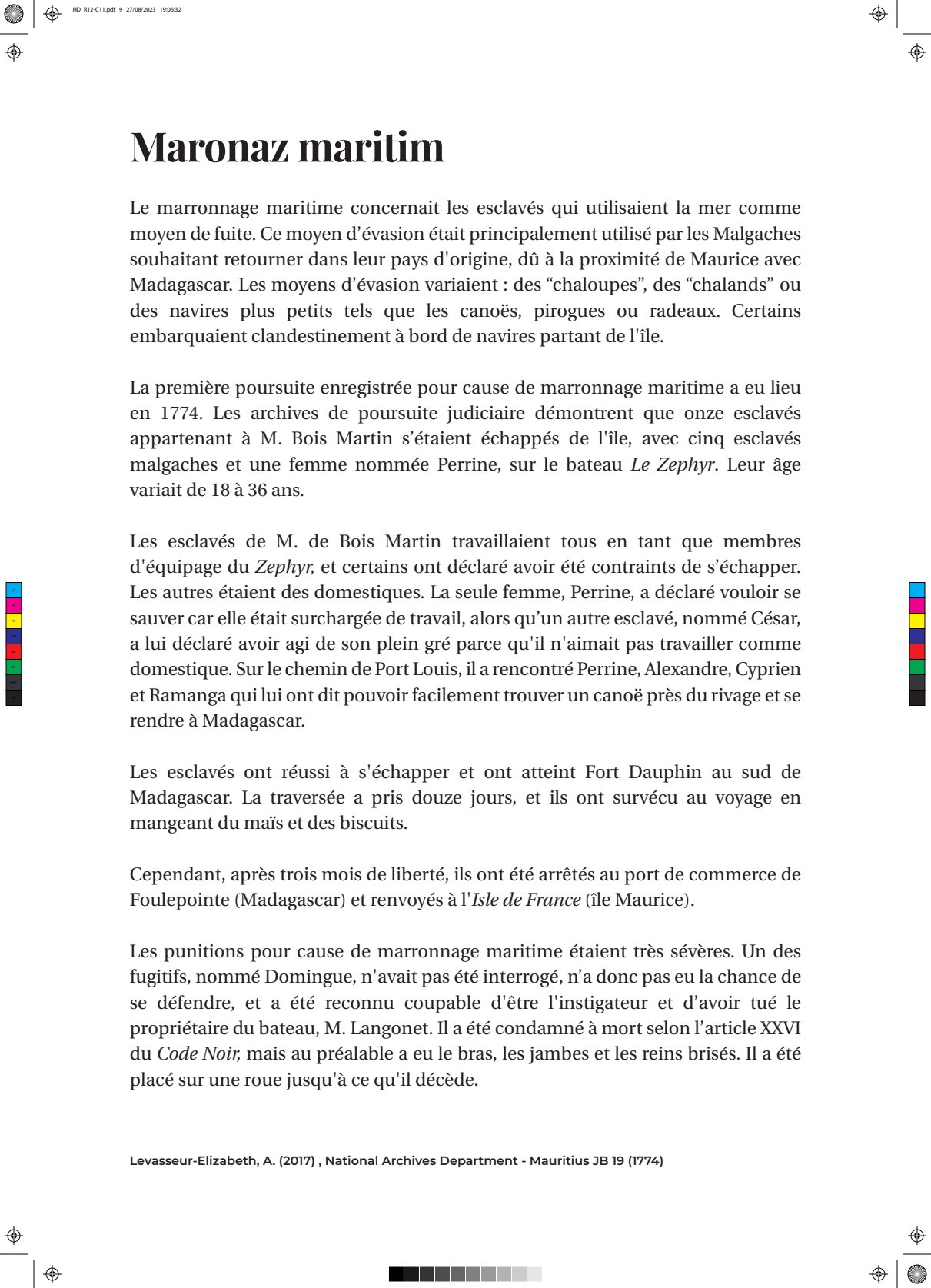
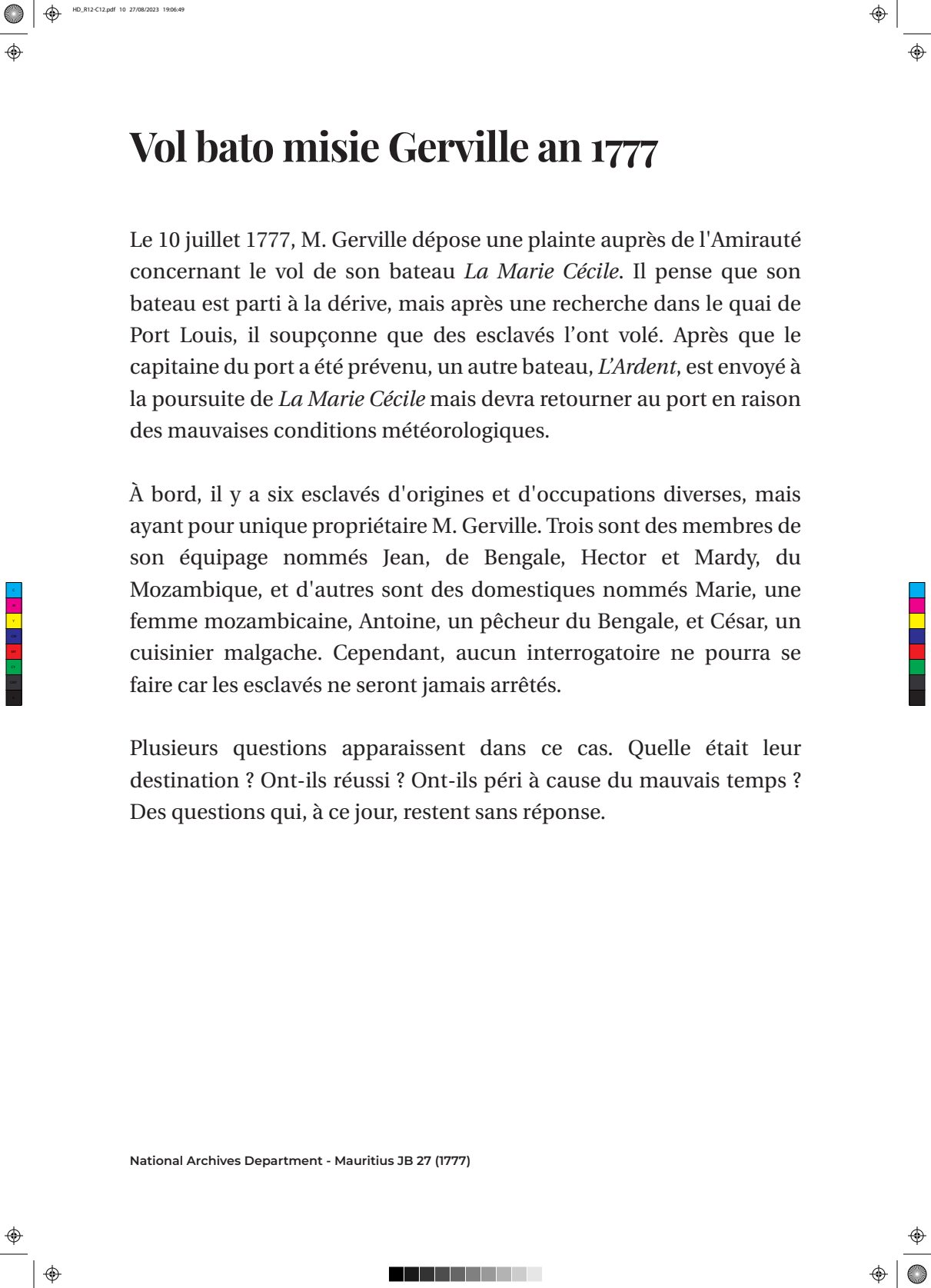
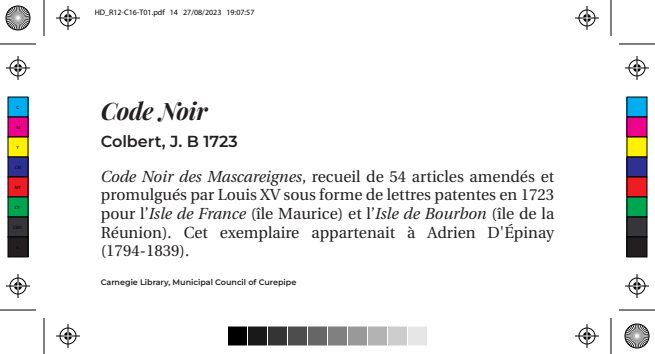
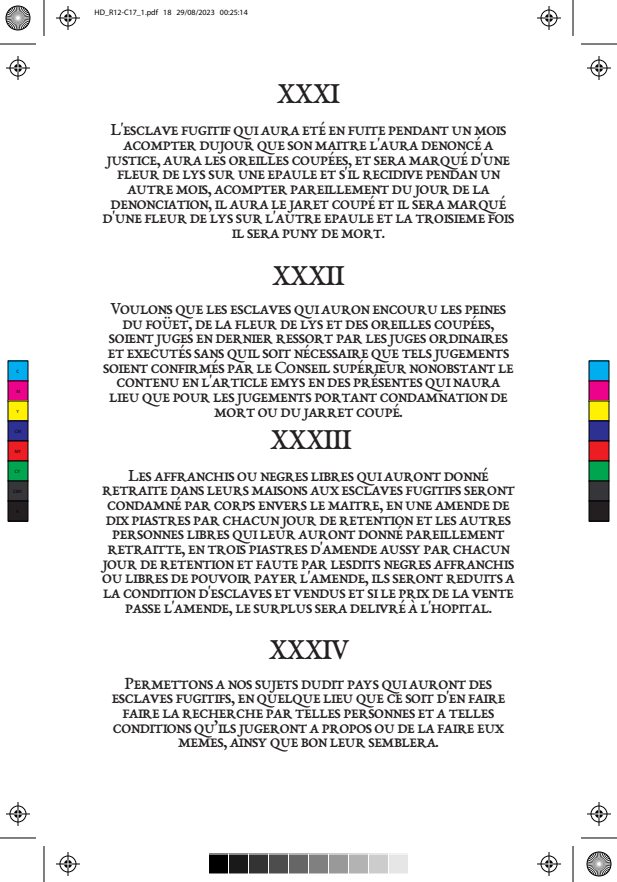
The work covered everything from typography and layout to image selection and visual sequencing across the exhibition space, working alongside scenographers, curators, historians, and museum staff. A defining constraint — and one of the project’s most important features — was that the entire exhibition was designed to function in the three languages of Mauritius: Kreol, French, and English. Every panel, every caption, every text block had to read clearly in all three, side by side, without one language dominating or diminishing the others. The scenography was led by ENSA Mauritius, an architectural school connected to ENSA Nantes in France. Every design decision was guided by a single principle: sobriety. This exhibition needed to reach people through its message, not through spectacle. The form had to serve the content — quietly, clearly, with international standards and the restraint the subject demands.
Working this closely with historians changed things. A lot of what I previously believed about slavery was confronted and corrected through this process. Watching an entire team work relentlessly to transmit the lessons of the past in such a compressed timeframe was a reminder of why this kind of work matters beyond the portfolio.
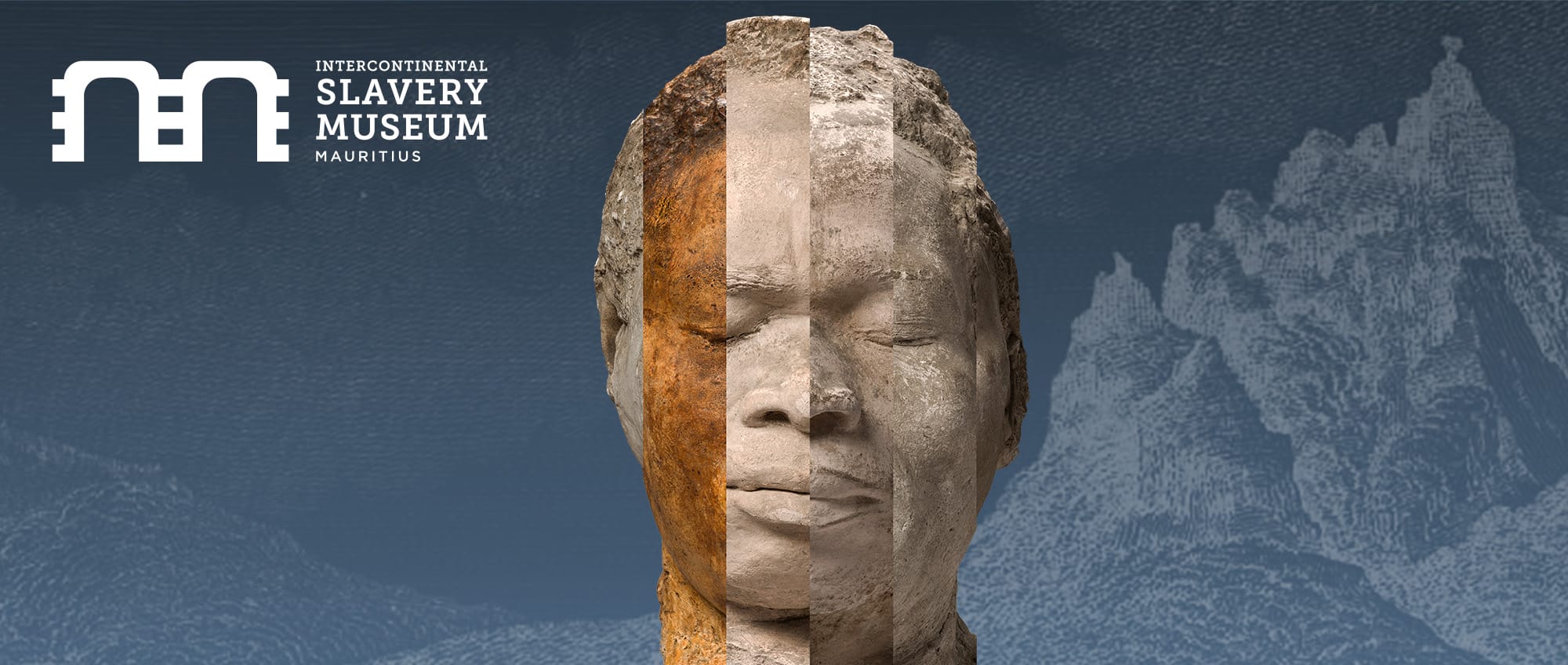
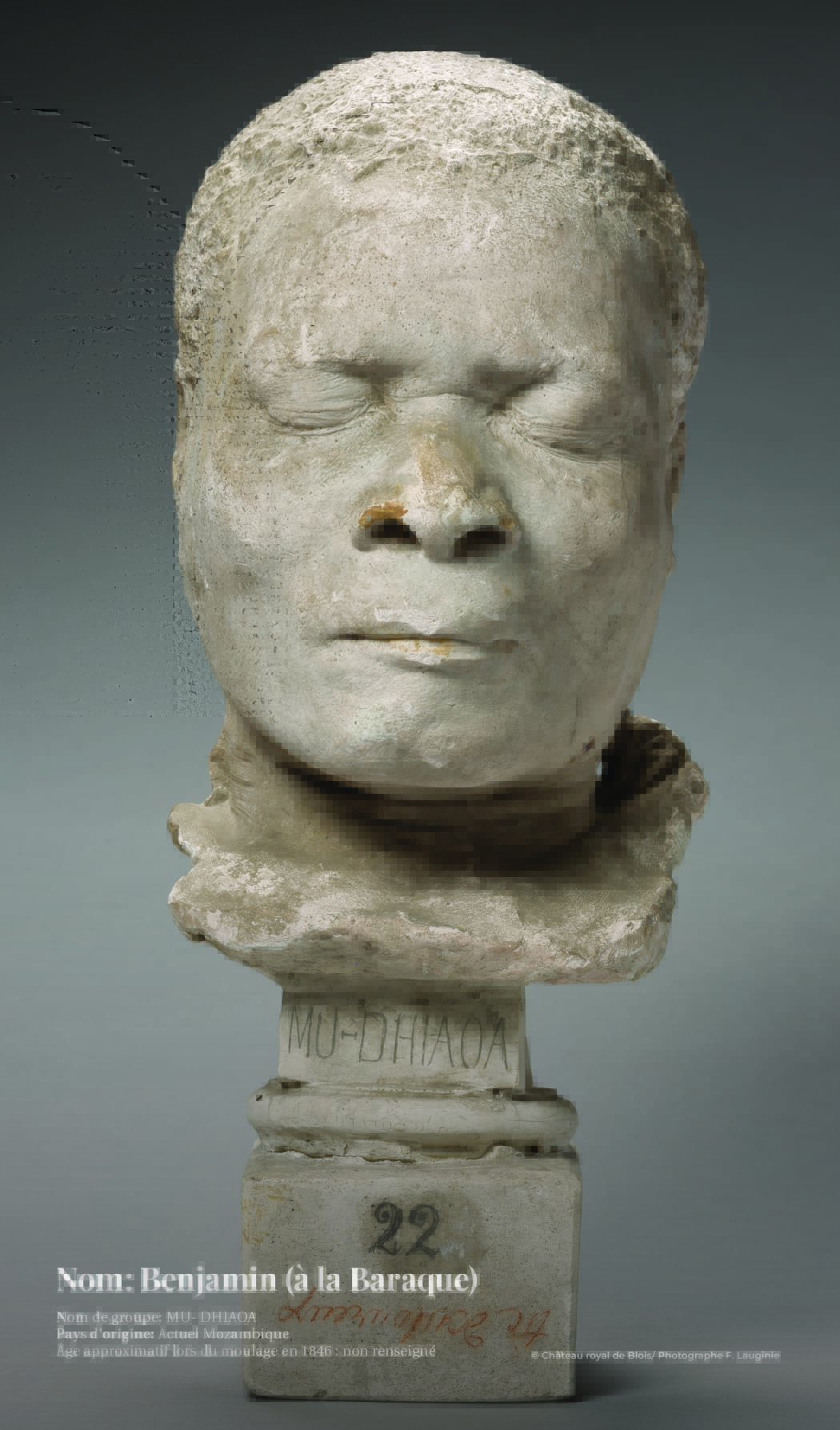
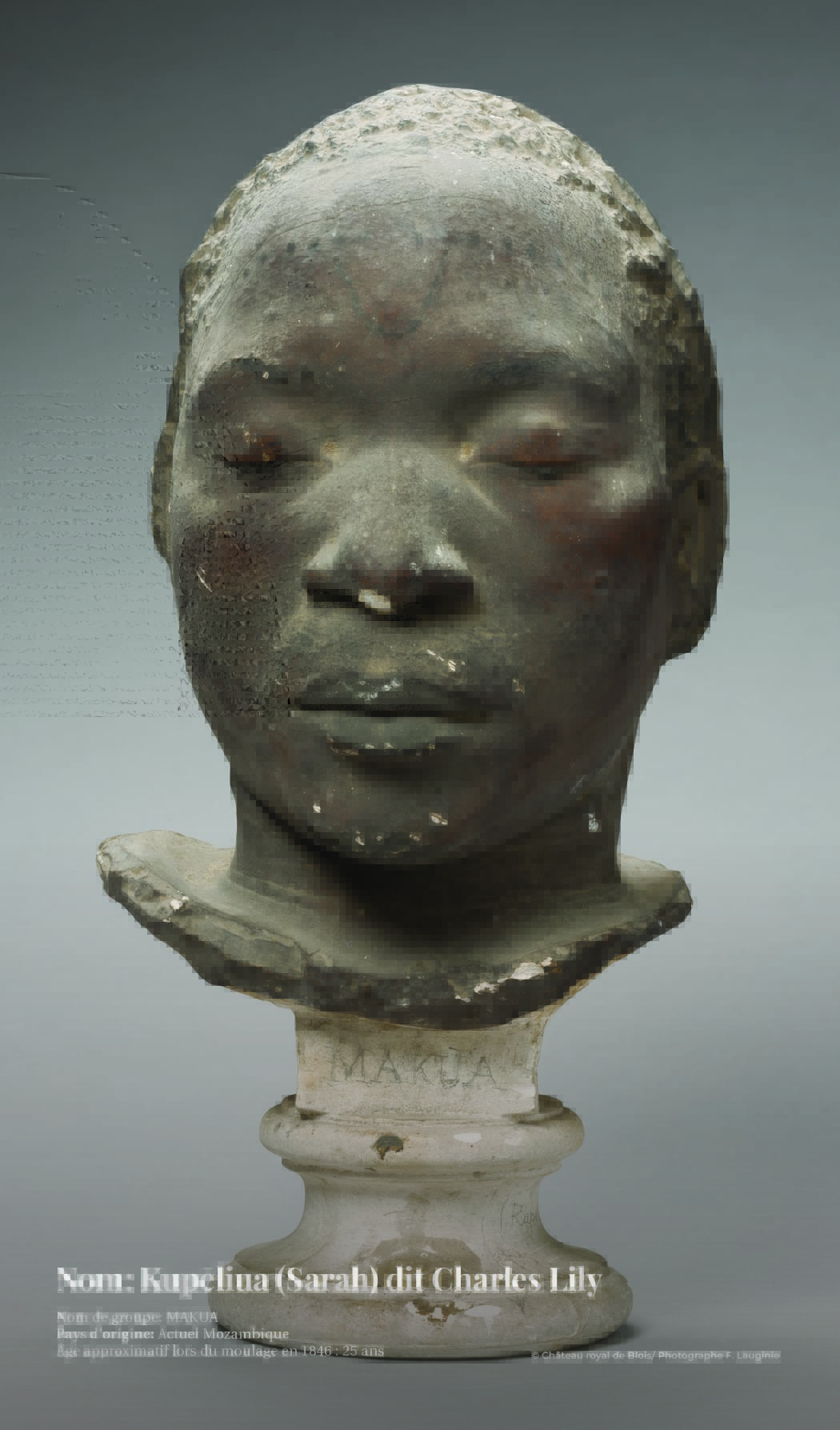
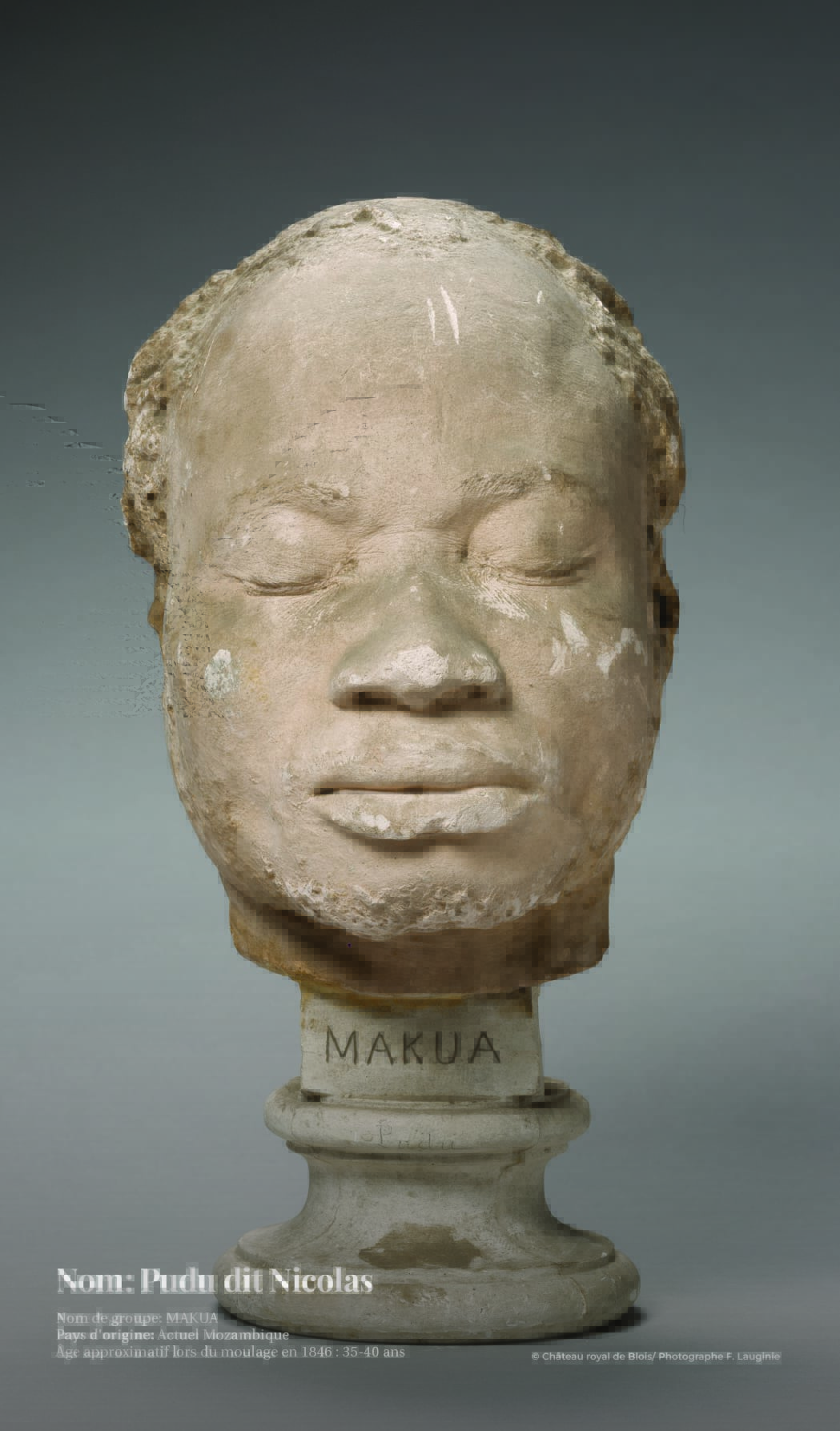
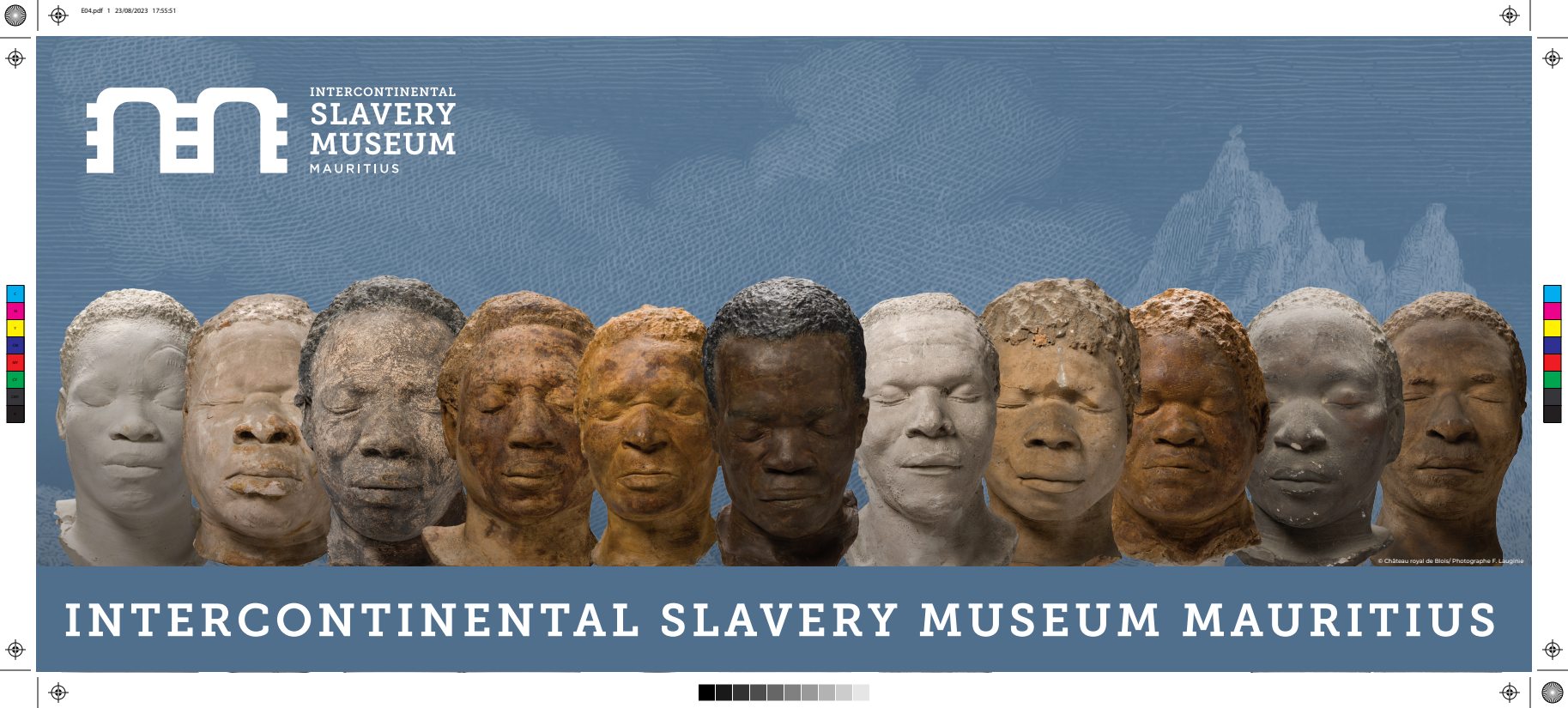
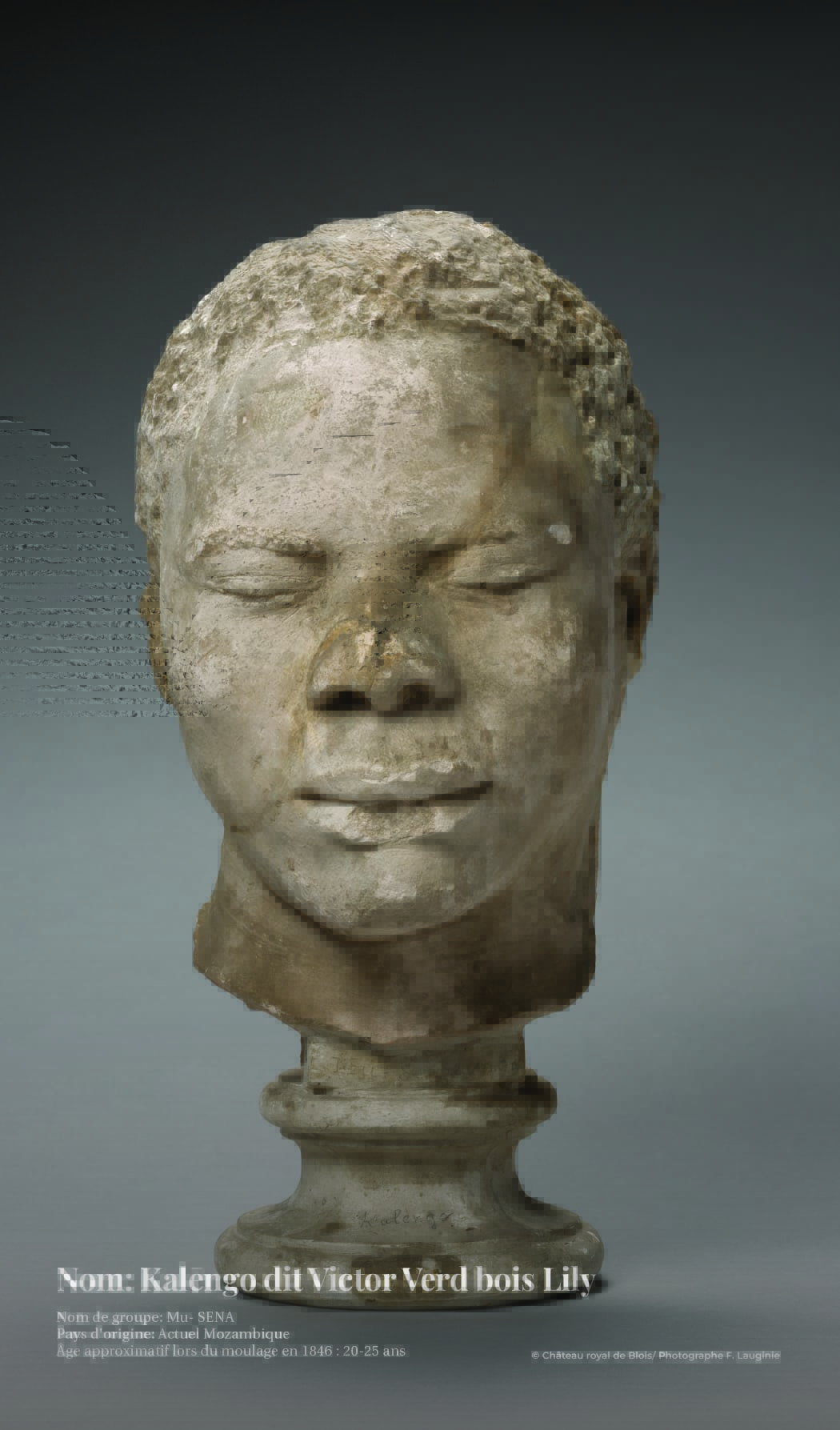
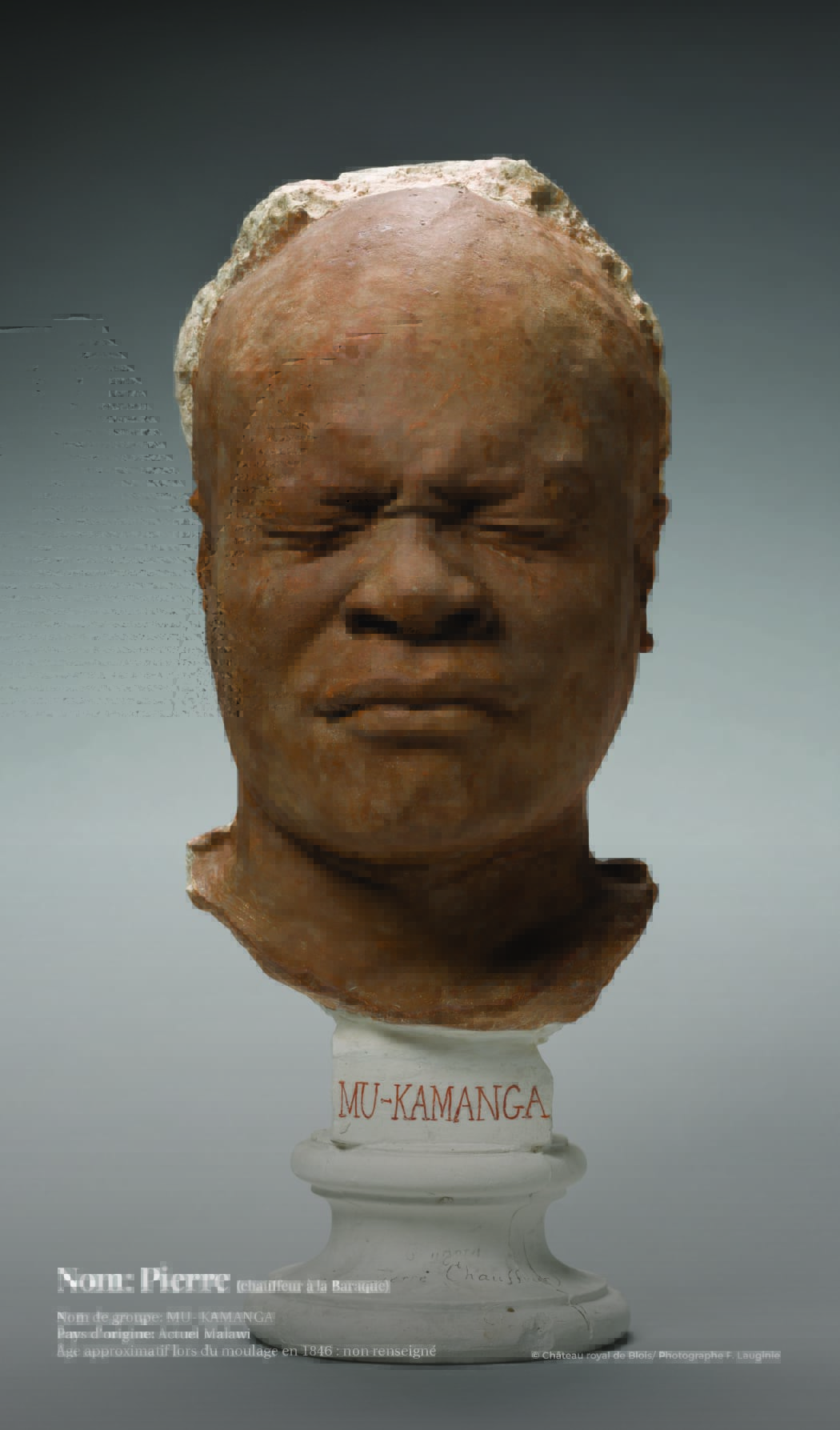
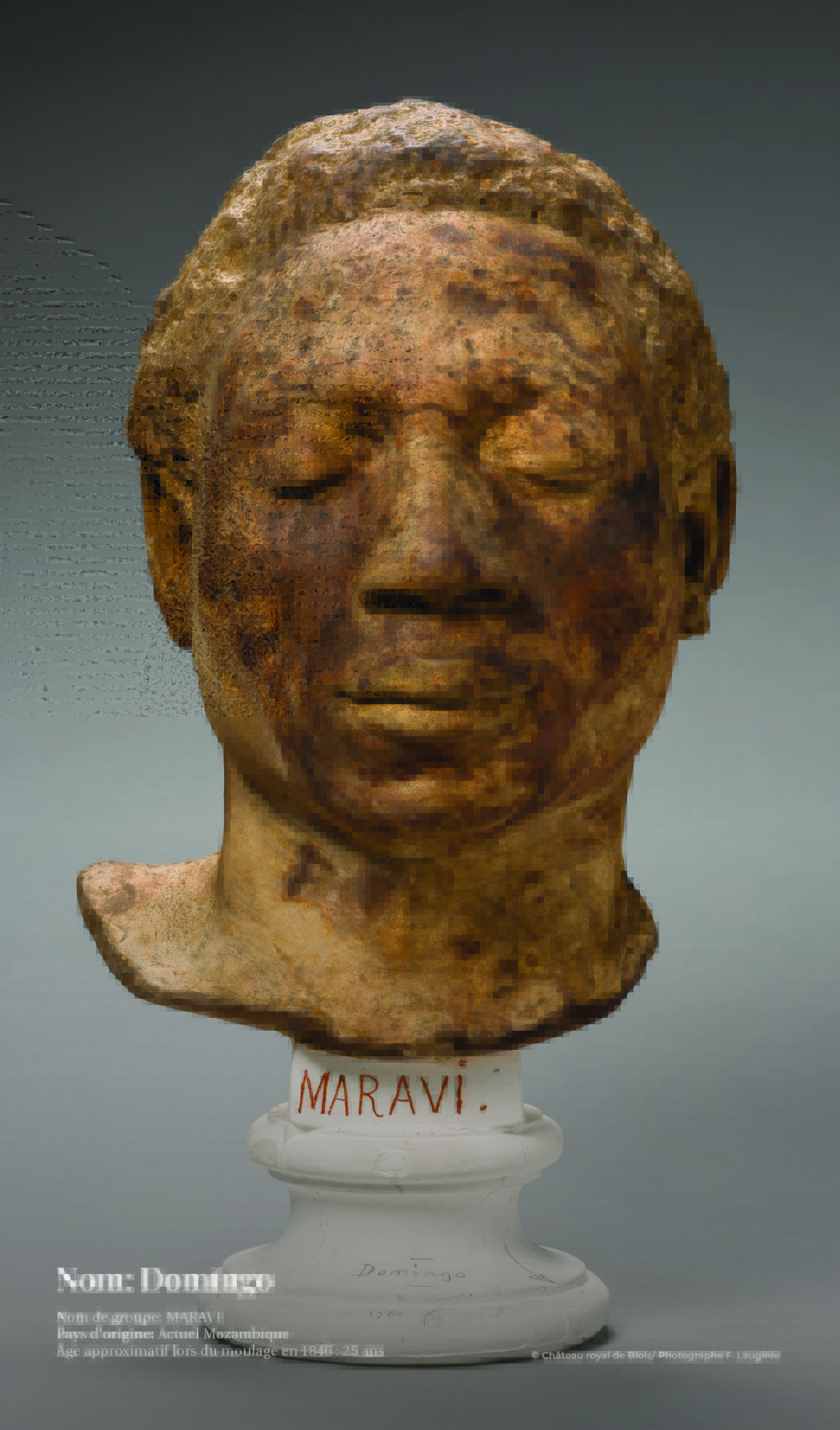
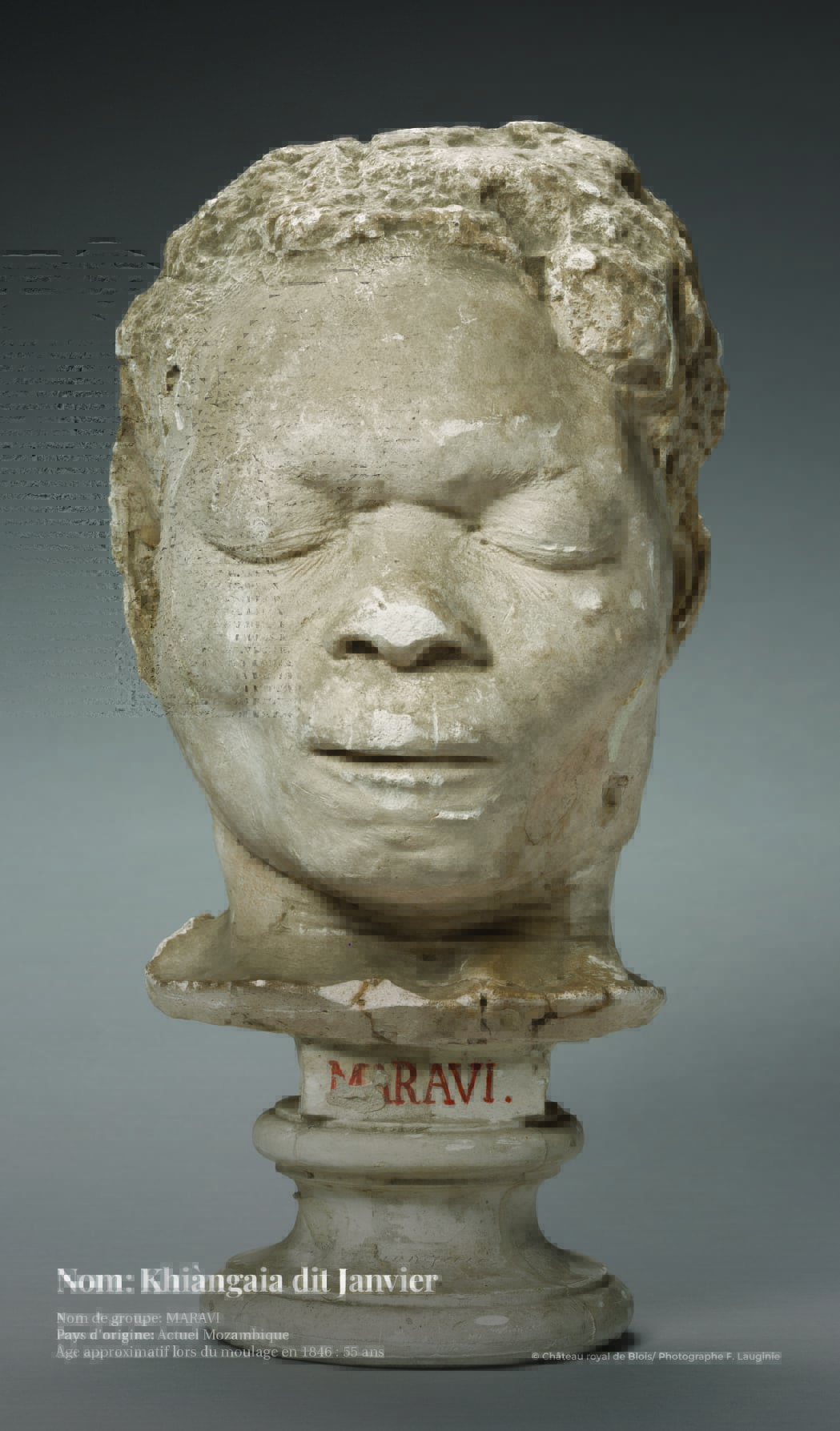
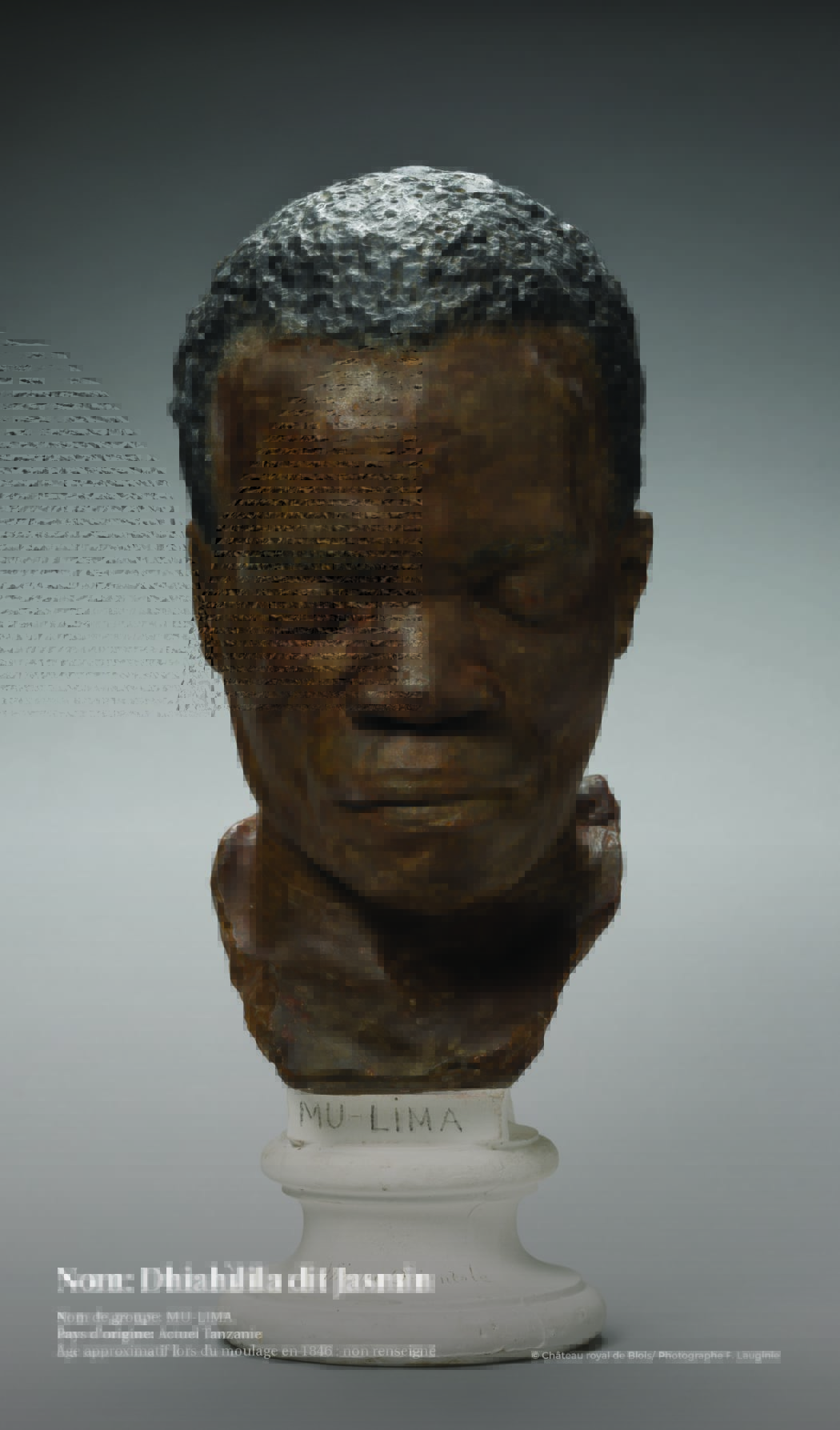
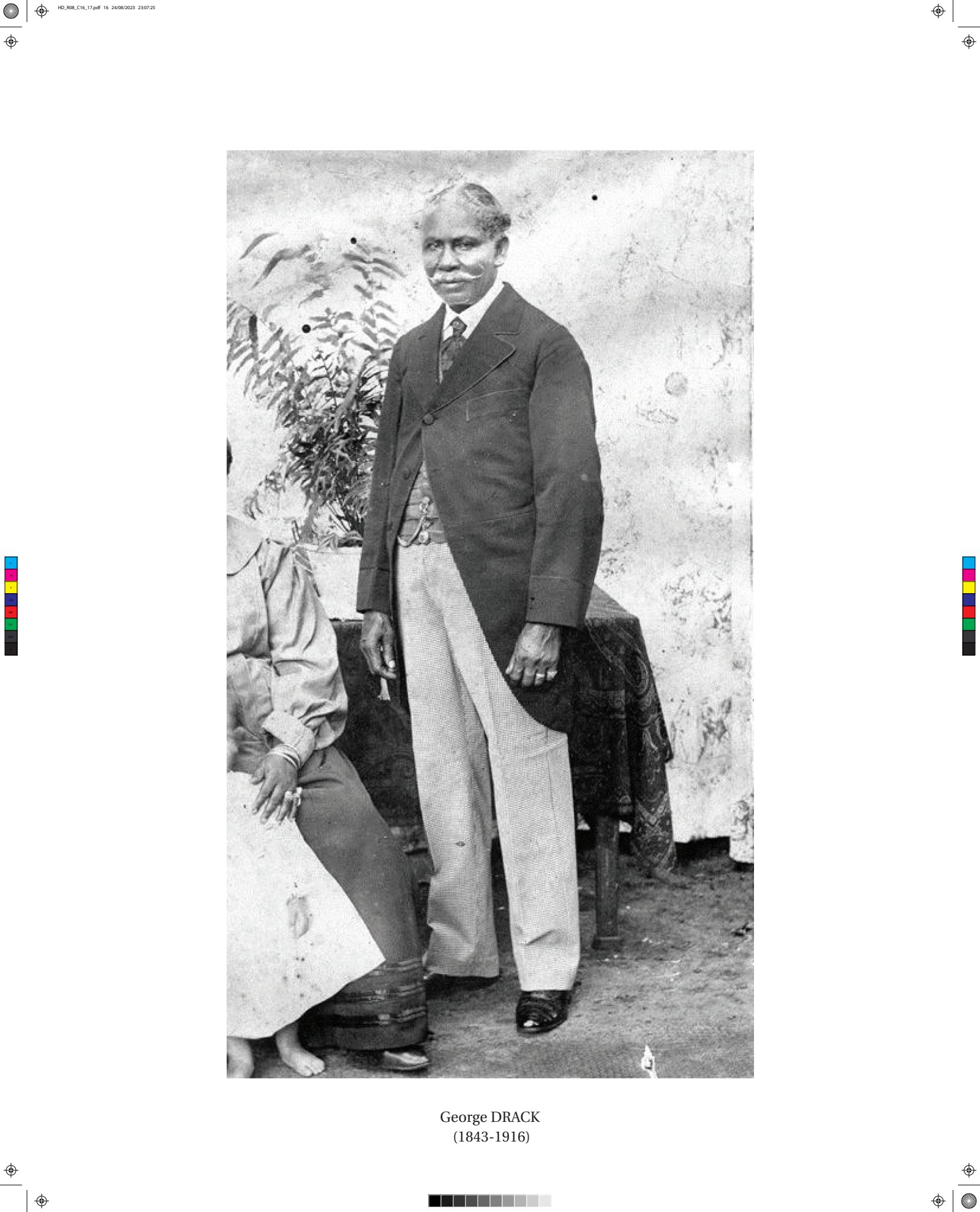
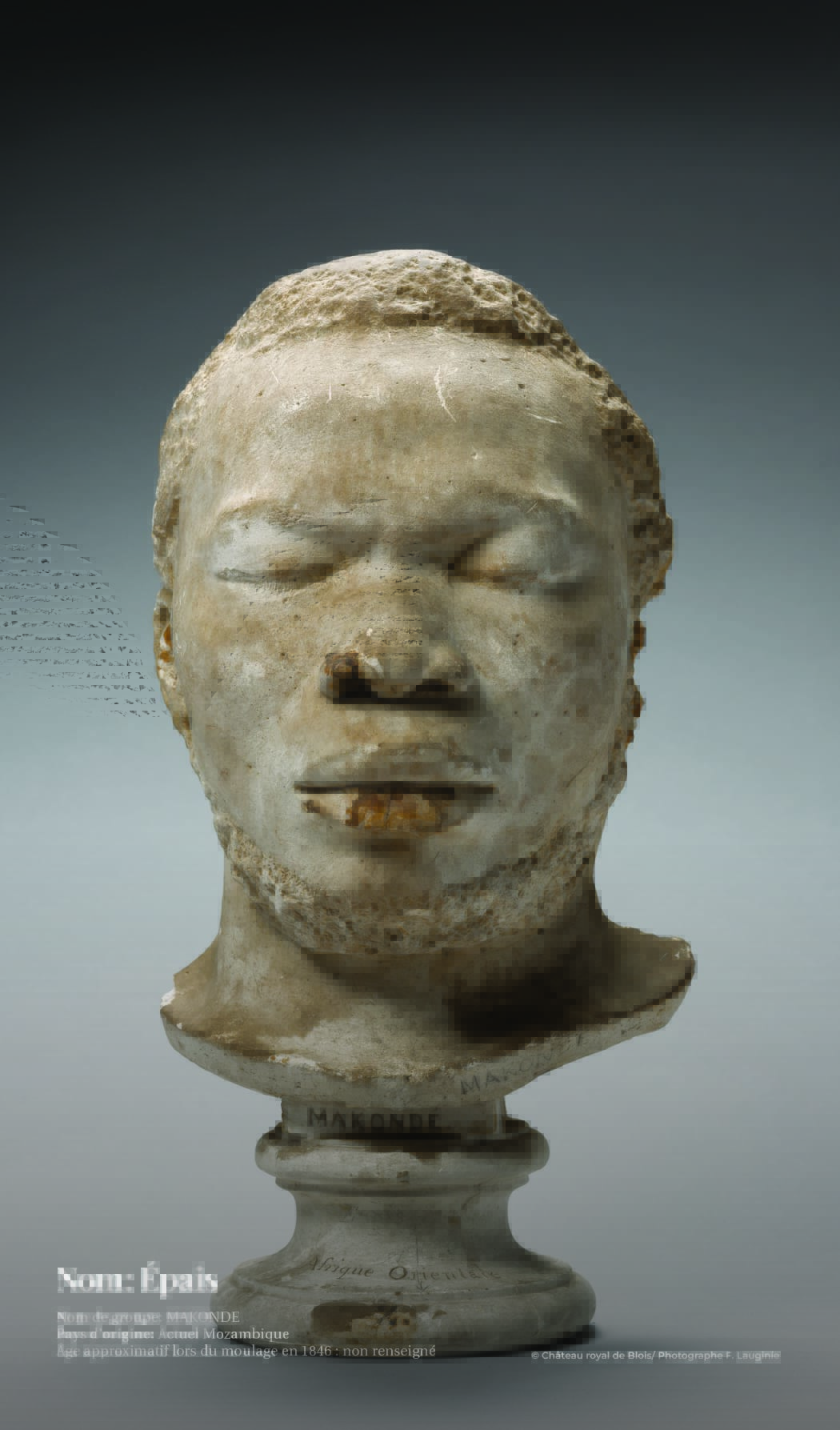
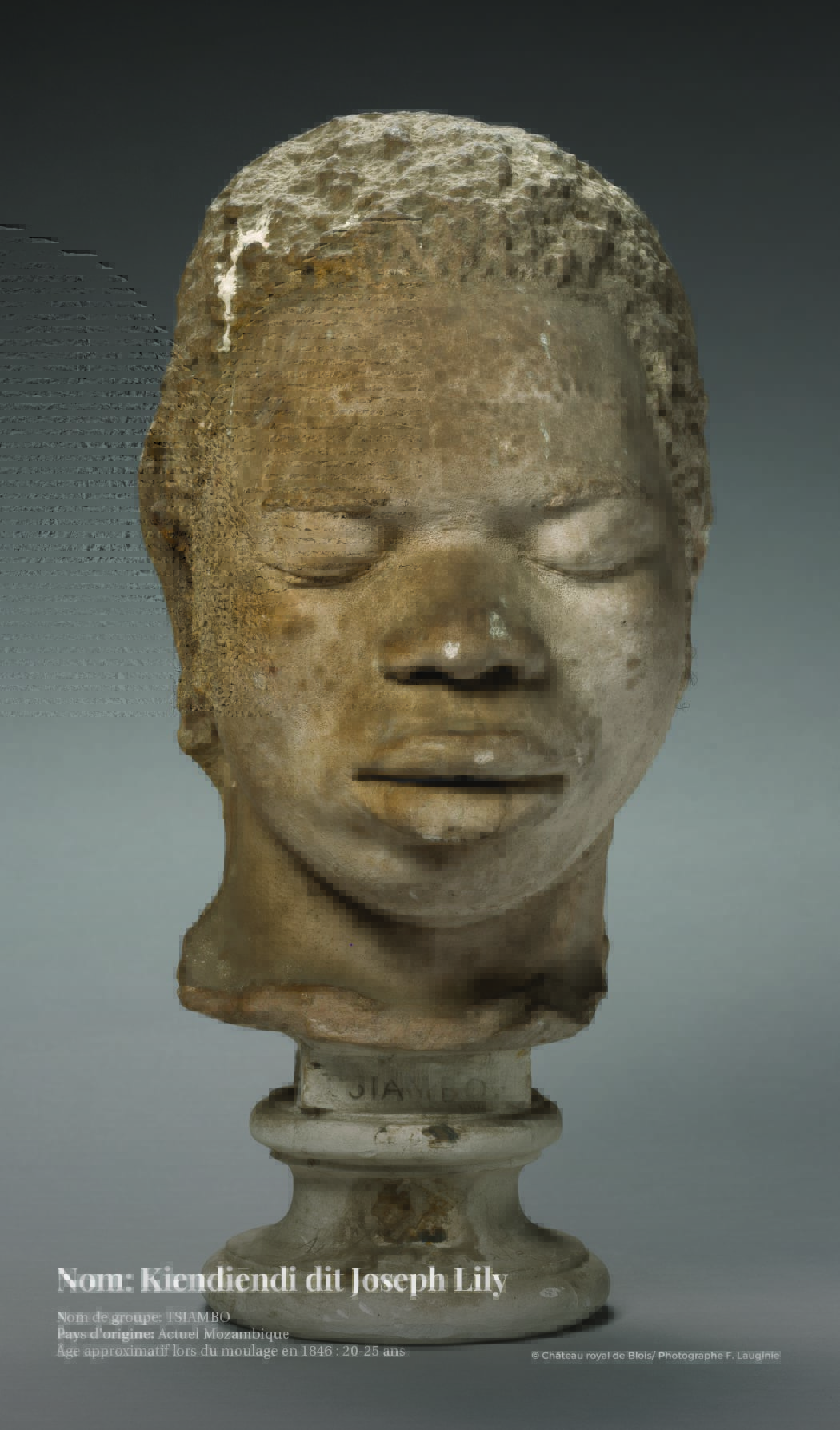
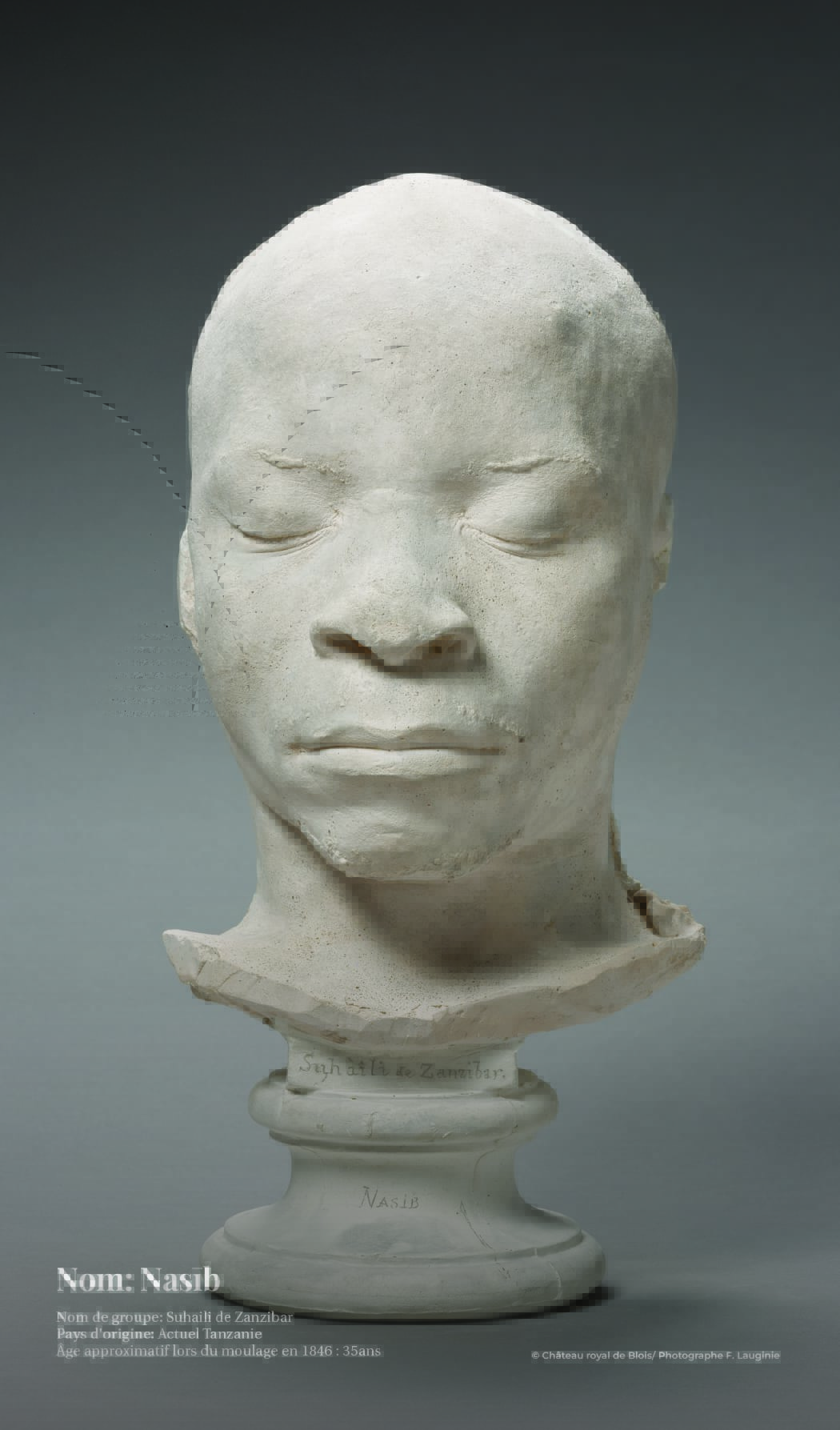
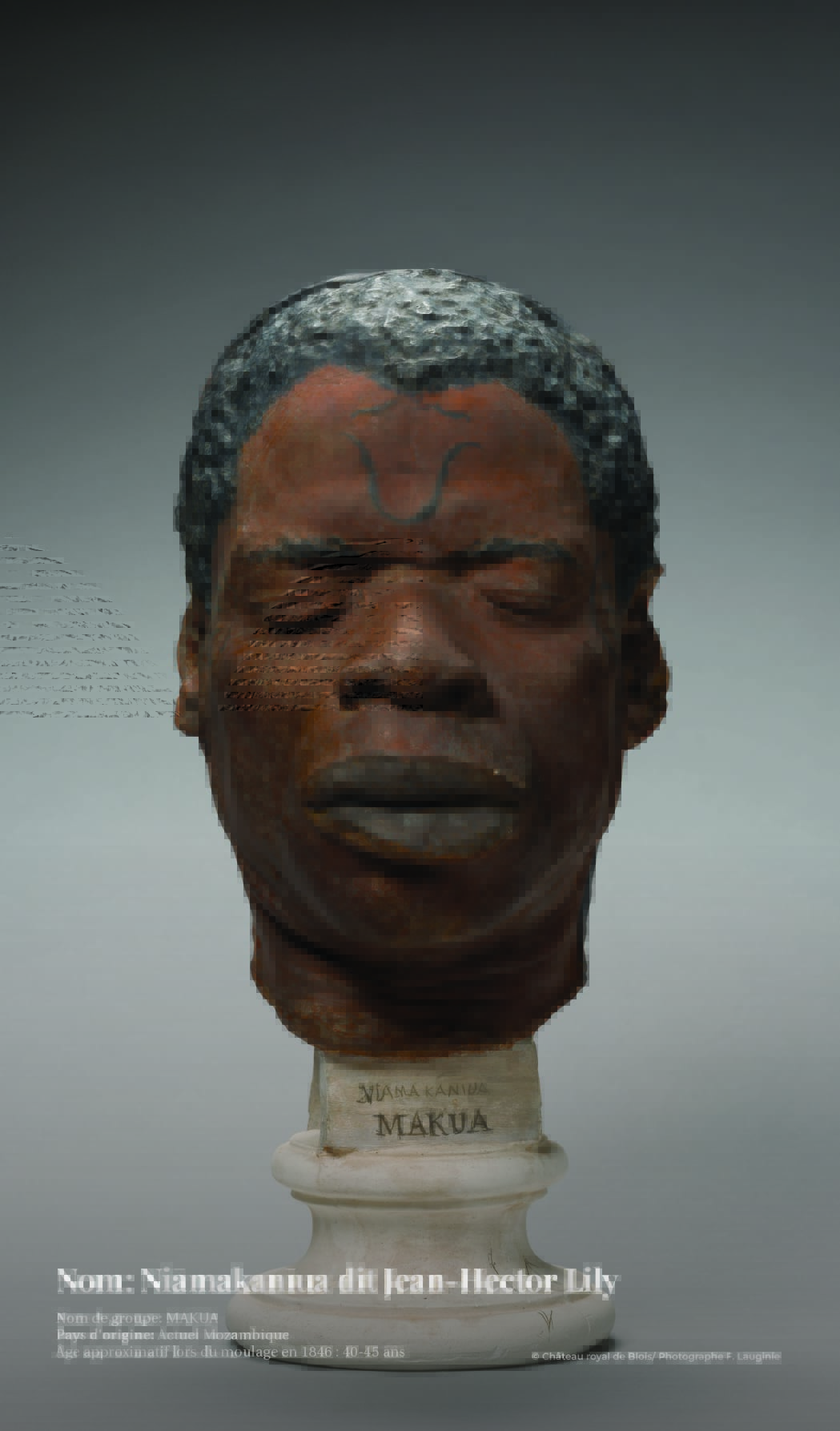
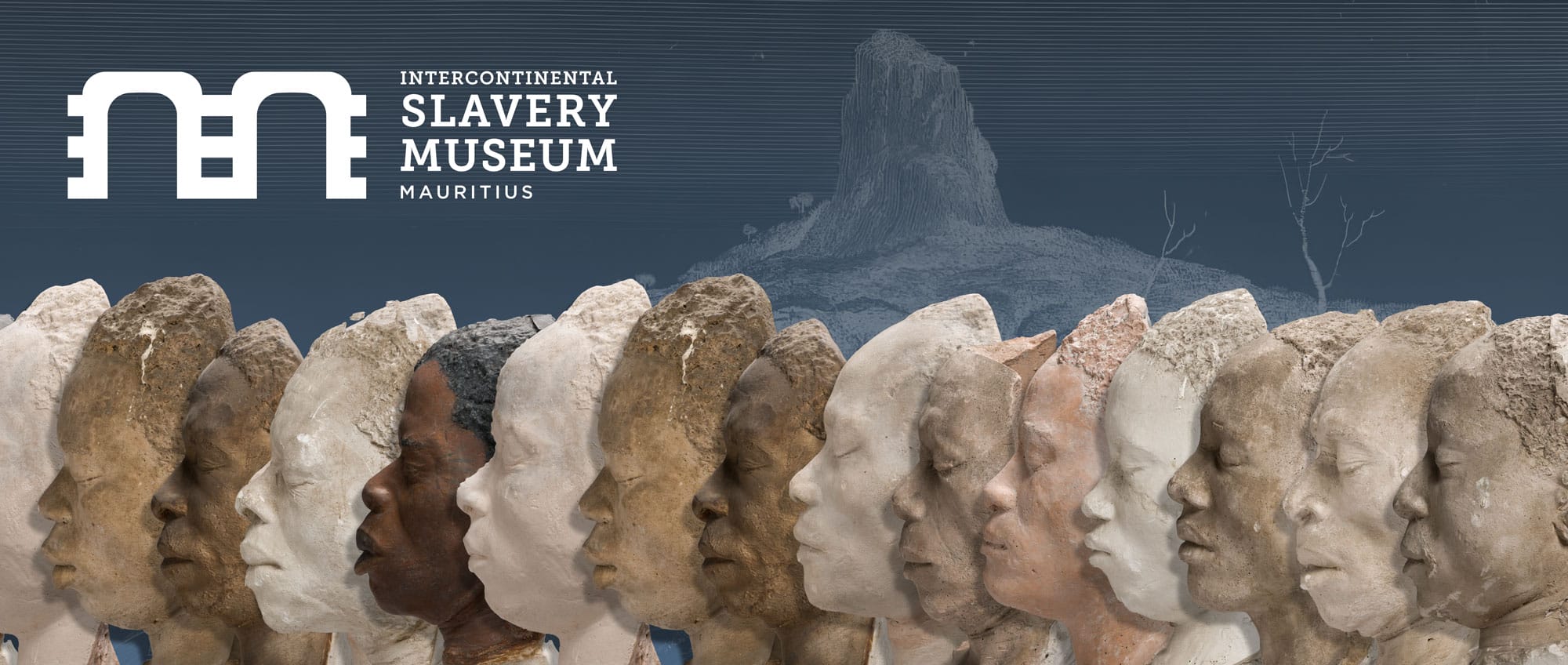
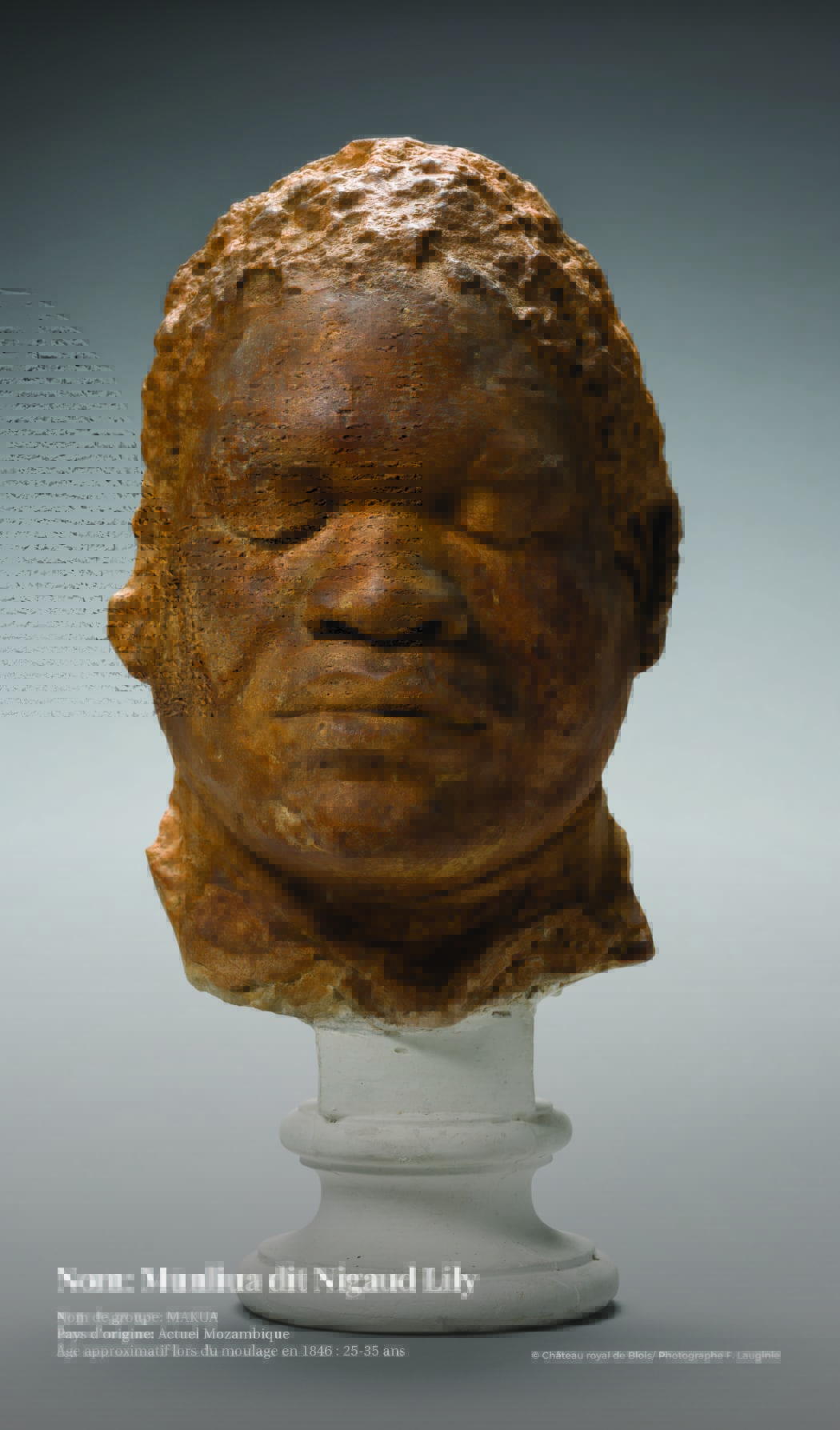
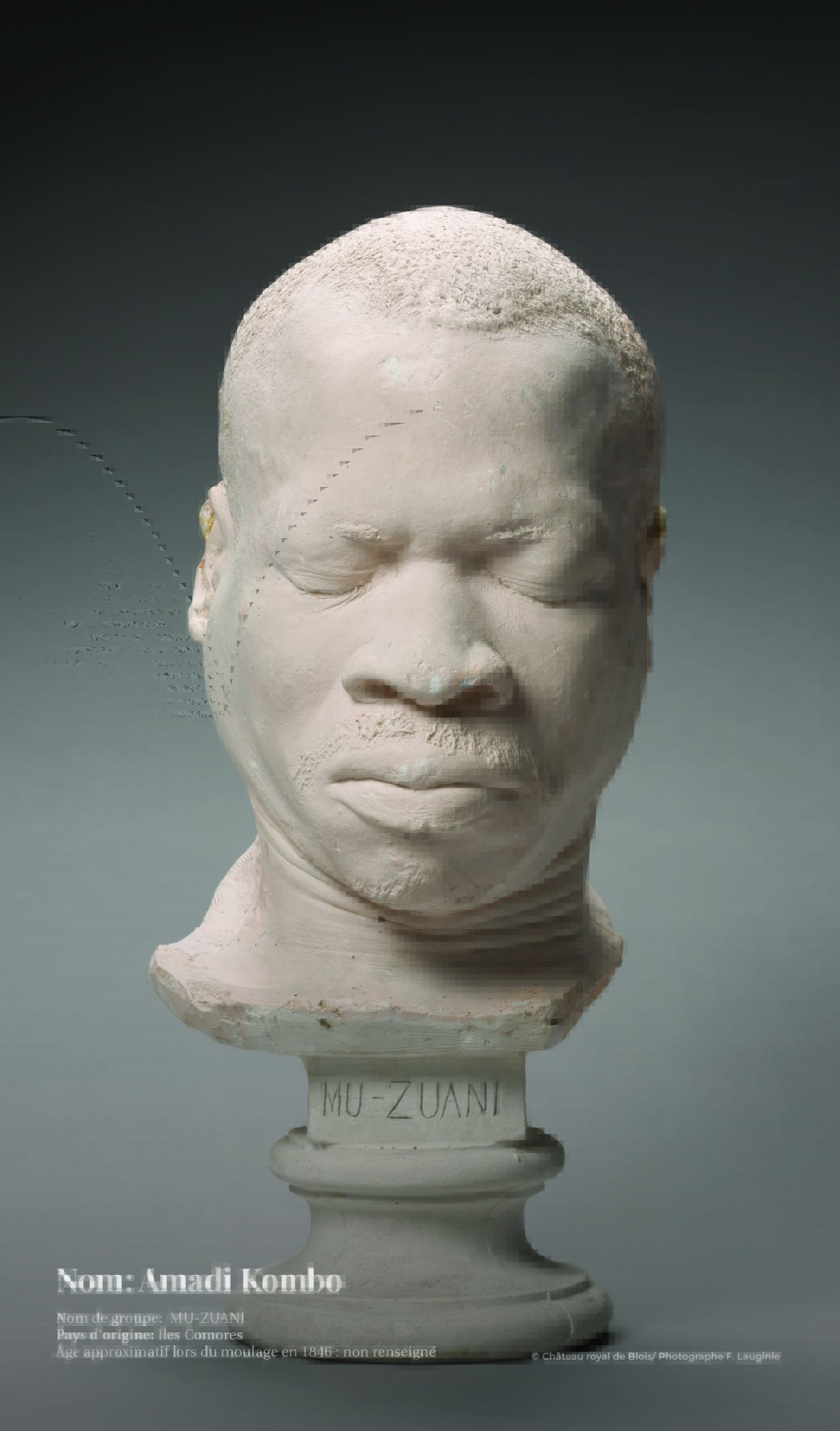
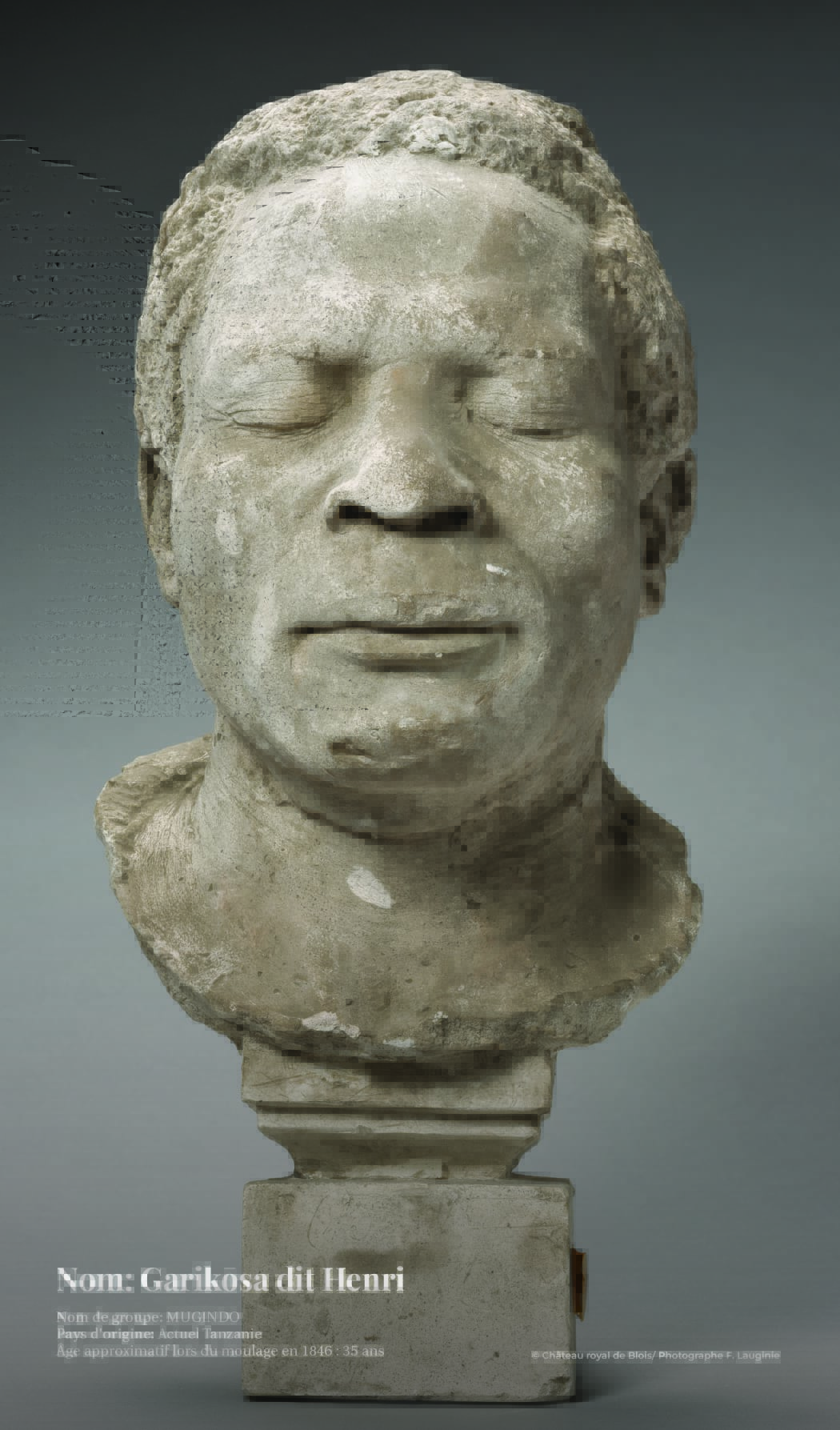
The project also included motion design for the room dedicated to La Collection Eugène de Froberville — a series of approximately 53 to 63 plaster busts cast from life in 1846 in Mauritius by ethnographer Eugène Huet de Froberville. The busts depict enslaved Africans deported to the Indian Ocean, primarily from Mozambique and Tanzania, who were forced to work on sugar cane plantations after the official abolition of slavery in 1835. Bringing these faces into motion was not a technical exercise — it was an act of witness.
This exhibition was opened by the then Prime Minister of Mauritius, Mr. P. Jugnauth, alongside delegates and dignitaries.
This project was a collaboration in the truest sense, and the following people should be named for posterity: Karen Yvon, Melissa Juliette, Flossie Cosnapa, Rachel Moka, Gabrielle Batour, Eva Runghsawmee, Joël Valéry, Elodie Laurent, Klara Boyer-Rossol, Ugo Cassanello, and the full ENSA teams of Mauritius and Nantes.
July 15, 2023